The Vehicle
Vehicle: Ford Sierra Cosworth
Original Specification: 1980s rally car
Current Use: Track car
Engine: Jaguar AJ30 V6 conversion
Services Provided:
- Motorsport fabrication and welding
- Custom oil cooler installation
- Engine oil cooling improvements
- Bespoke brake system modifications
- Hydraulic handbrake servicing
- Cable-operated handbrake fabrication
With its rallying heritage and later engine conversion, this Sierra is far from a standard production car.
Modifications made over several decades have created a unique vehicle requiring solutions designed around its existing components rather than conventional off-the-shelf installations.
Project One – Custom Oil Cooler Installation
Customer Requirements
The owner was experiencing rising engine temperatures when pushing the car hard on track.
The Jaguar V6 conversion had provided the car with a different engine configuration, but the existing installation presented difficulties when attempting to add an external oil cooler.
The objective was to improve oil temperature control, protect the engine during sustained high-load driving and allow the owner to enjoy longer track sessions with greater confidence.
The Engineering Challenge
Installing an oil cooler might appear straightforward, but the engine conversion had created several packaging problems.
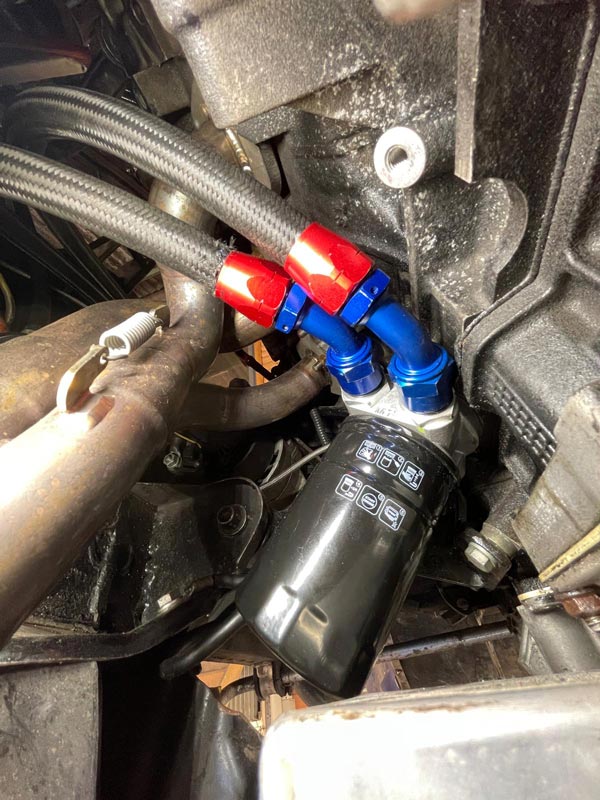
The existing engine mounts restricted the space available for the oil cooler sandwich plate, while the nearby exhaust manifold introduced an additional source of heat.
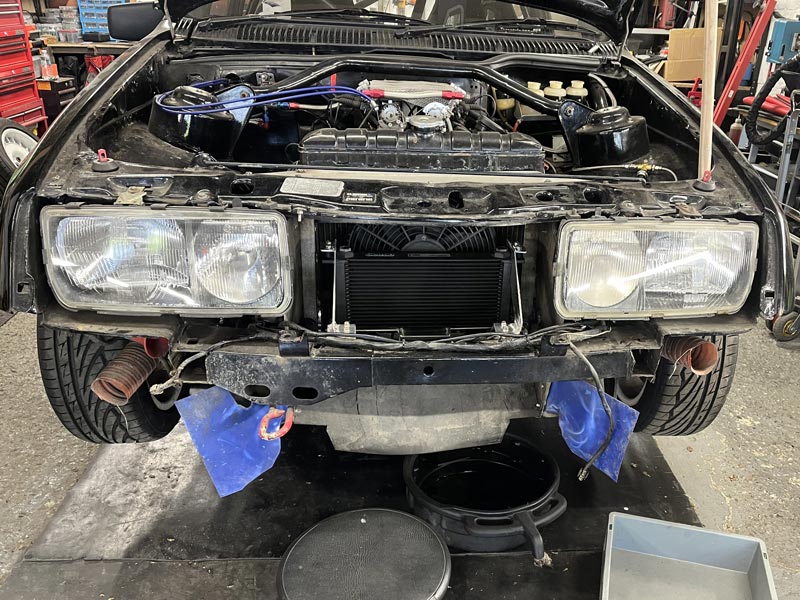
There was also the question of where to position the cooler itself.
For the installation to be effective, the cooler needed adequate airflow, secure mounting and carefully routed oil lines protected from excessive heat and vibration.
Simply finding somewhere to fit the components would not have been enough. The installation needed to operate reliably under demanding track conditions.
Work Carried Out
Oil Cooler Positioning and Mounting
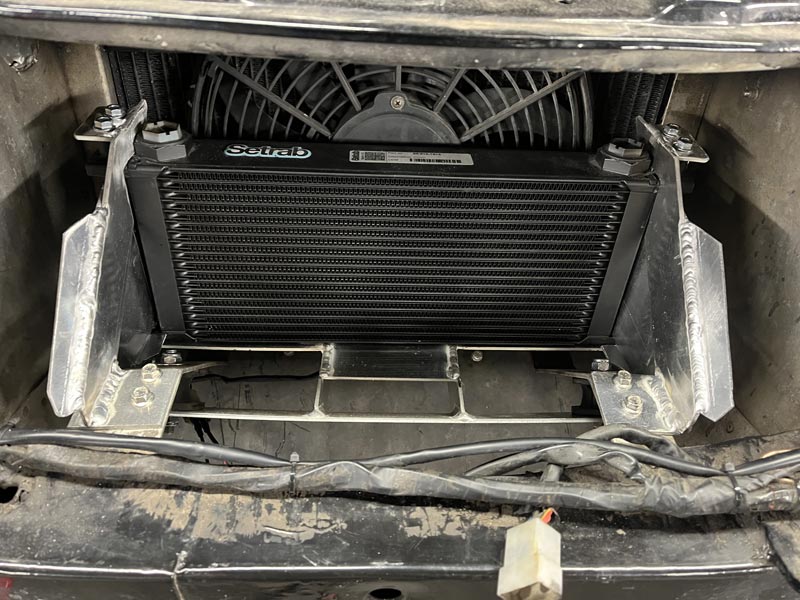
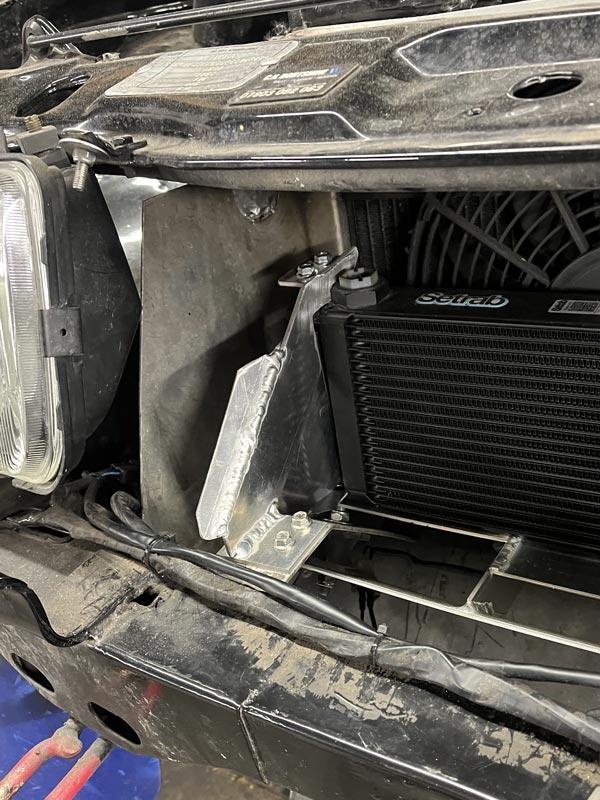
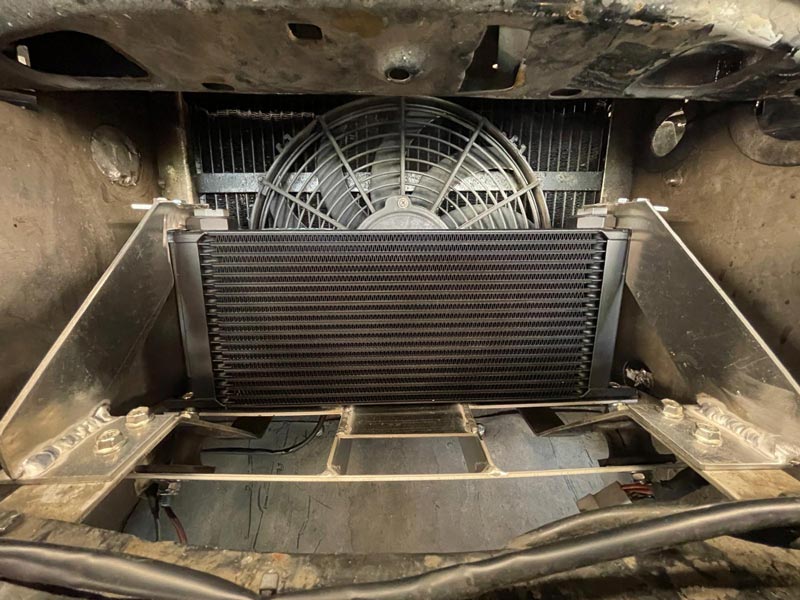
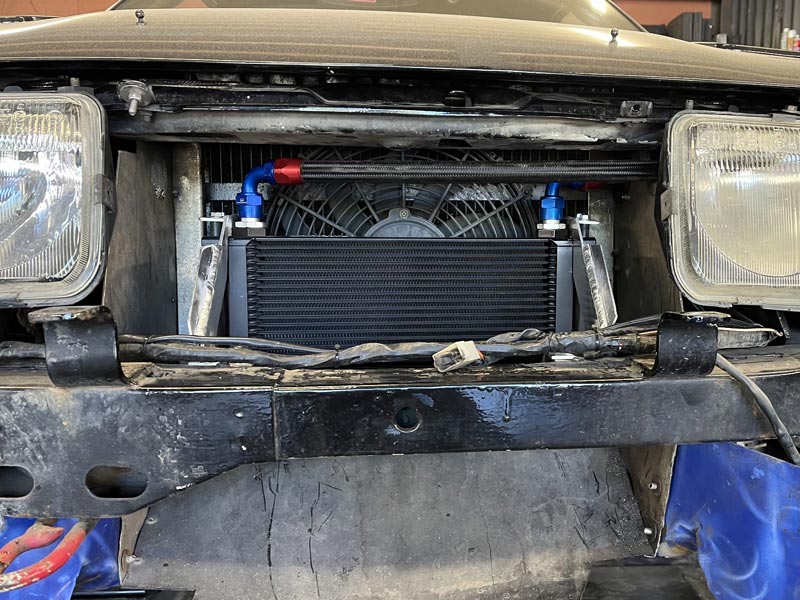
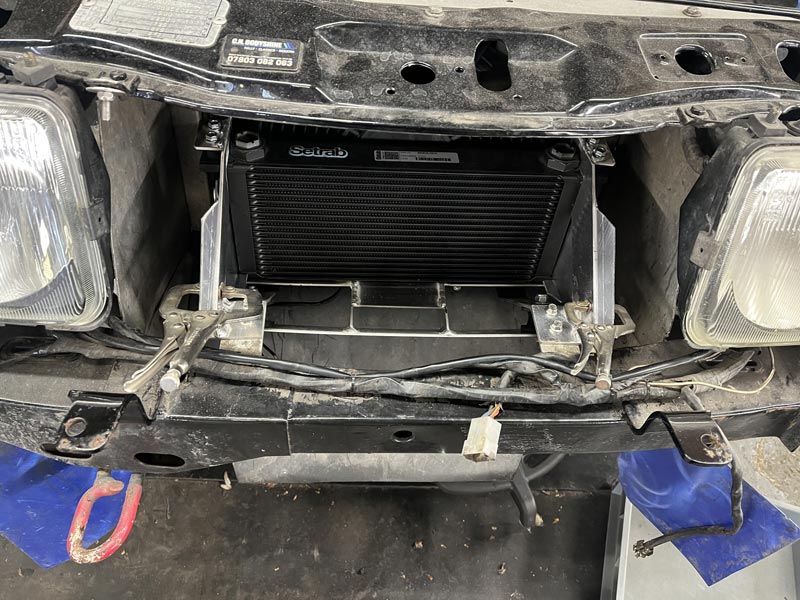
After assessing the available space, we designed and fabricated a bespoke mounting bracket for the oil cooler.
The bracket was configured to position the cooler where it could receive sufficient airflow to maximise cooling efficiency.
Rubber mounting points were incorporated to help isolate the cooler from vibration, reducing the risk of damage to the cooler core during prolonged track use.
Oil Cooler and Pipework Installation
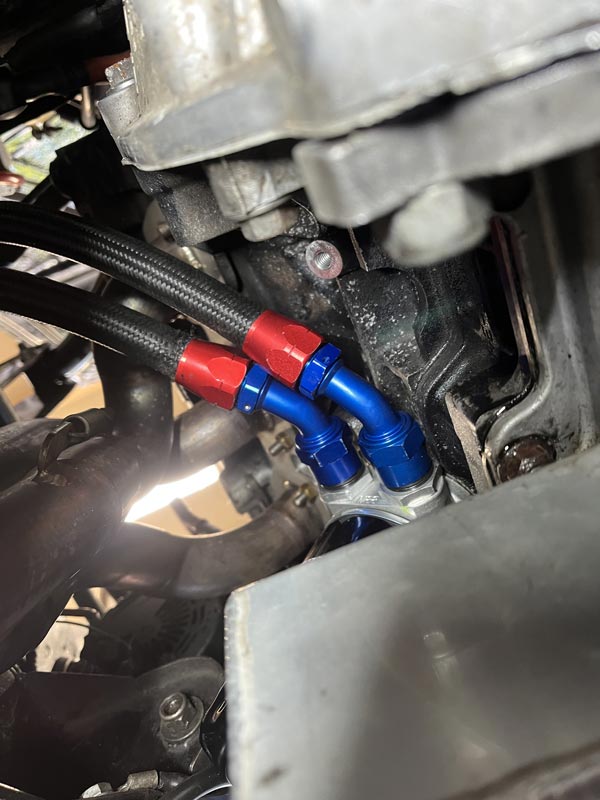
We selected a Mocal oil cooler together with Goodridge oil lines and fittings.
These components were chosen for their quality and suitability for the demands of a high-performance oil cooling system.
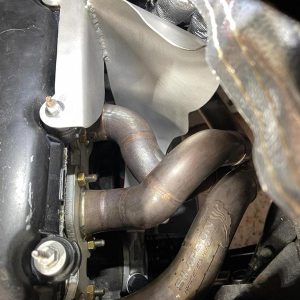
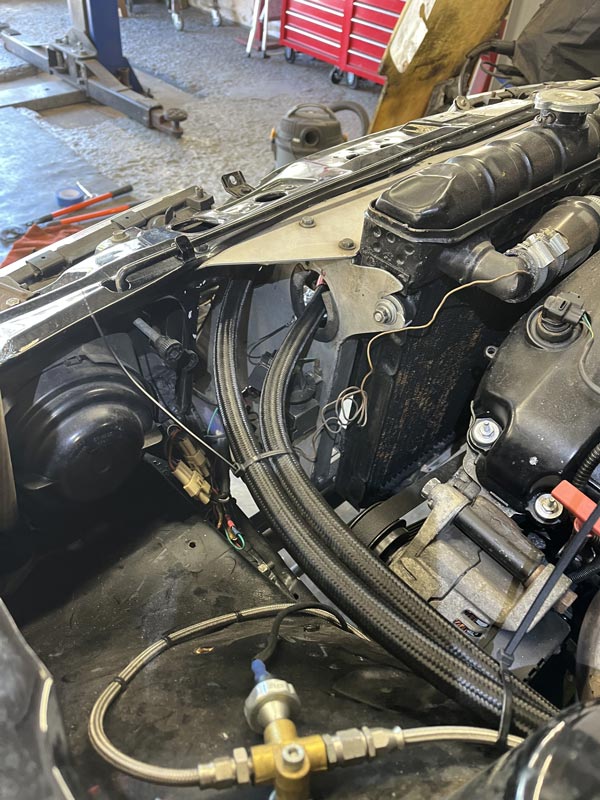
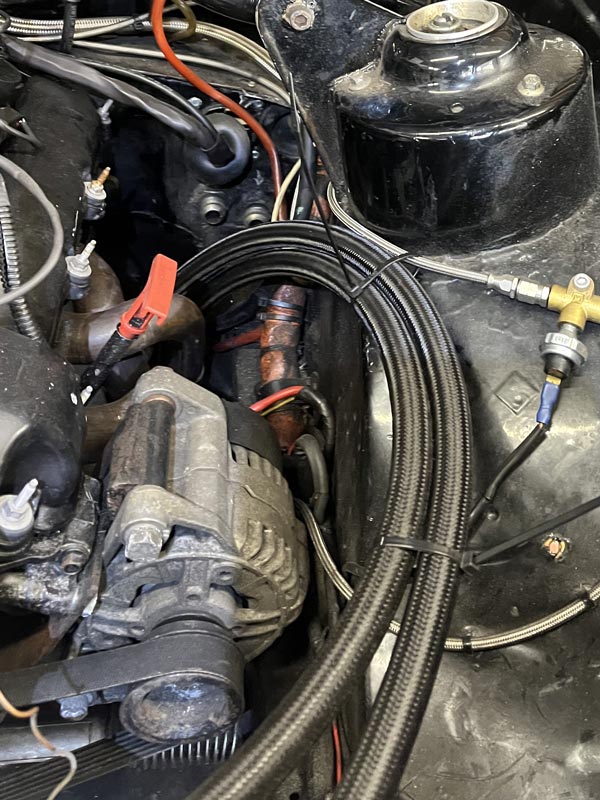
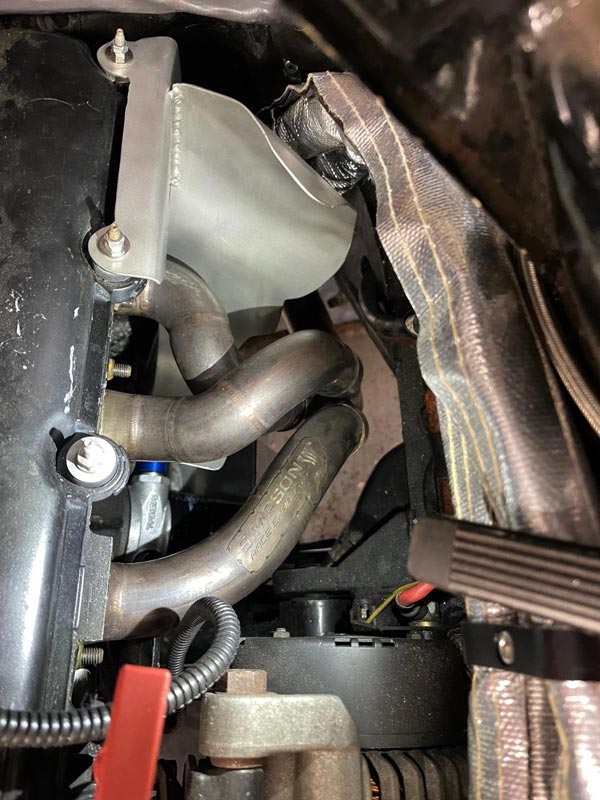
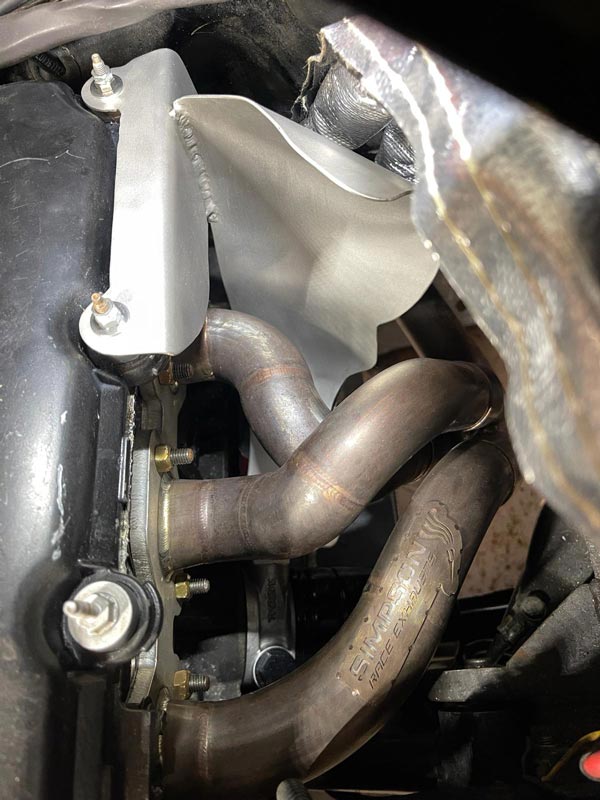
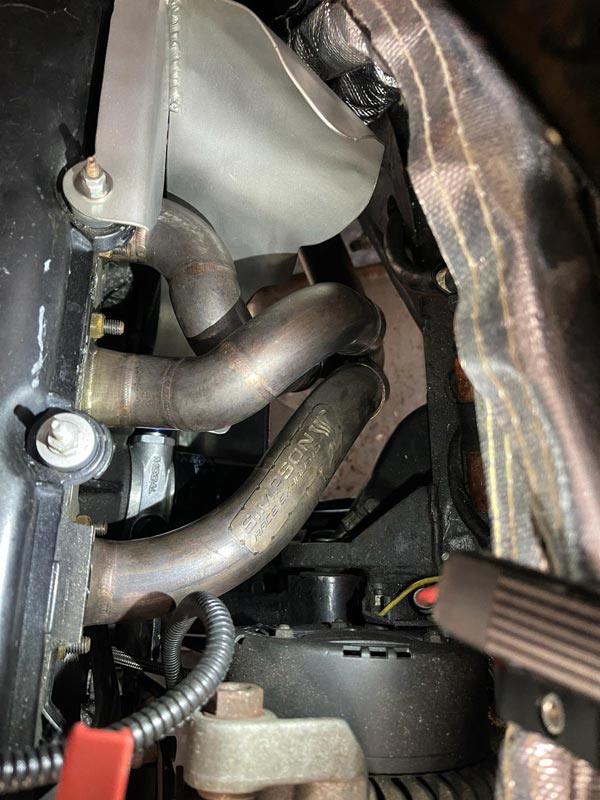
The oil lines were carefully routed around the existing engine installation, taking account of the restricted space and the proximity of the exhaust manifold.
Bespoke Heat Protection
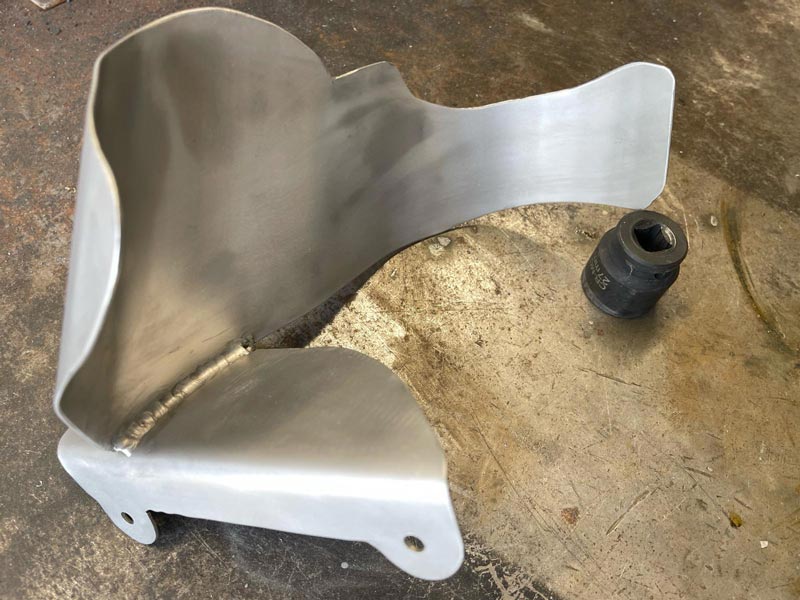
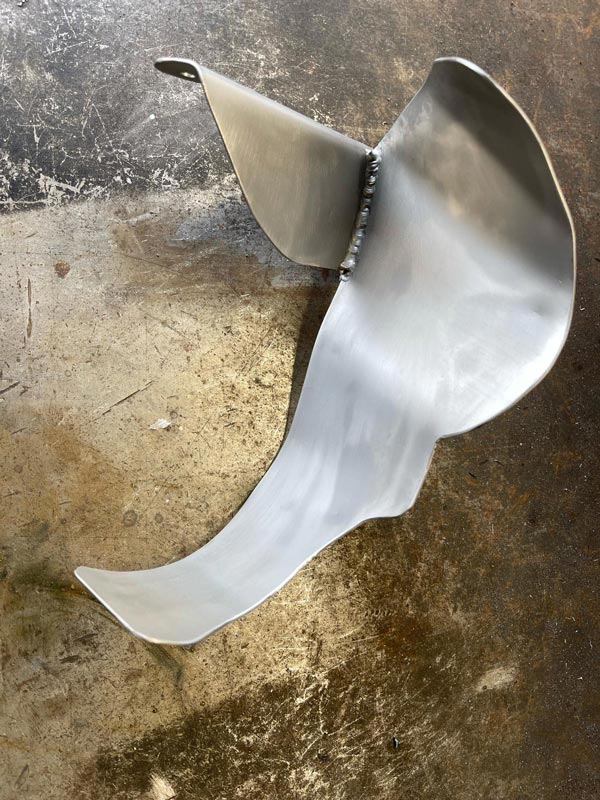
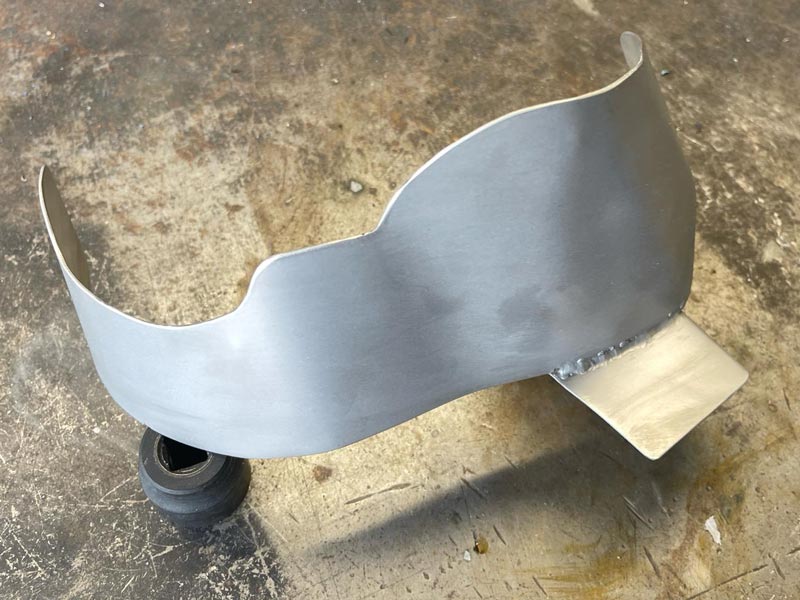
One of the most important aspects of the installation was protecting the oil lines from the heat generated by the exhaust.
To address this, we fabricated a stainless steel heat shield specifically shaped to protect the pipework in the affected area.
This additional fabrication work was essential to creating an installation that was both effective and reliable.
The Result
The completed oil cooling installation resolved the owner’s concerns about rising temperatures during demanding track use.
With improved oil temperature control, the engine can be worked harder for longer without the same temperature-related limitations.
The result is improved reliability, greater protection for the engine and increased confidence during extended track sessions.
Project Two – Bespoke Hydraulic and Cable Handbrake Conversion
Customer Requirements
The Sierra’s second challenge concerned its handbrake system.
As a former rally car, it had been equipped with a hydraulic handbrake. Although suitable for its competition use, this arrangement did not provide the mechanical parking brake operation required for the vehicle’s MOT.
The owner had already fitted aftermarket rear brake calipers incorporating mechanical handbrake levers. However, the original cable-operated system had previously been removed.
Kent Motorsport was asked to develop a solution that would provide conventional cable operation without sacrificing the existing hydraulic handbrake functionality.
The Engineering Challenge
The car’s modified braking system presented two separate problems.
Firstly, the hydraulic handbrake mechanism had seized and was no longer operating correctly.
Secondly, there were no longer any cables or suitable routing arrangements connecting the handbrake lever to the mechanical mechanisms on the rear calipers.
A replacement cable could not simply be fitted using standard mounting points.
The system needed bespoke brackets, suitable cable routing and an adjustable mechanism capable of operating both rear calipers effectively.
The solution also needed to work alongside the existing hydraulic arrangement rather than replacing it.
Work Carried Out
Hydraulic Handbrake Servicing
We began by investigating the seized hydraulic handbrake mechanism.
The mechanism was successfully freed, the reservoir was flushed and the brake system was bled using fresh racing brake fluid.
This restored the hydraulic system to working order before the mechanical conversion began.
Custom Cable Routing
With the hydraulic operation restored, attention turned to developing the cable-operated system.
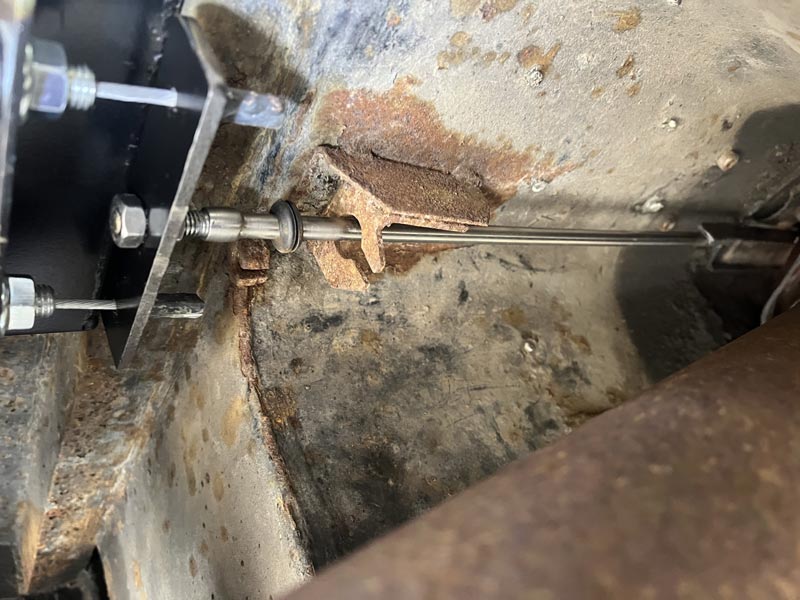
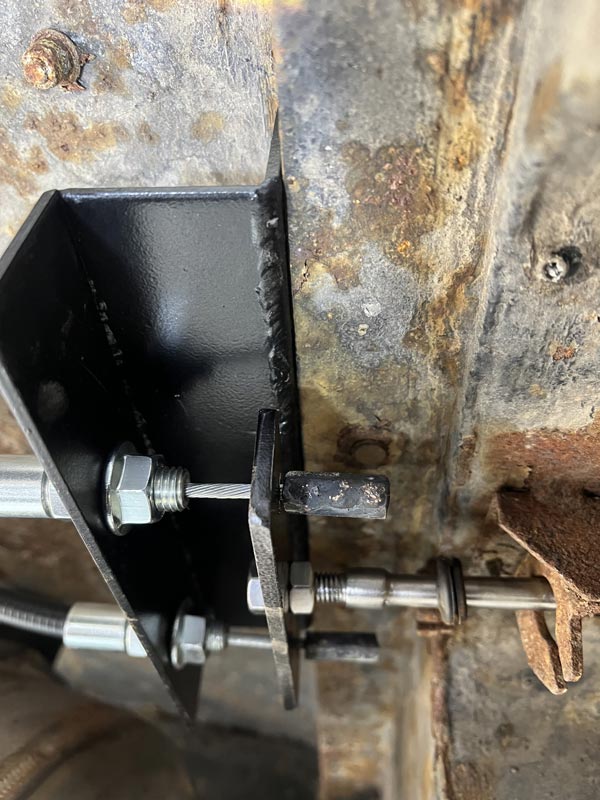
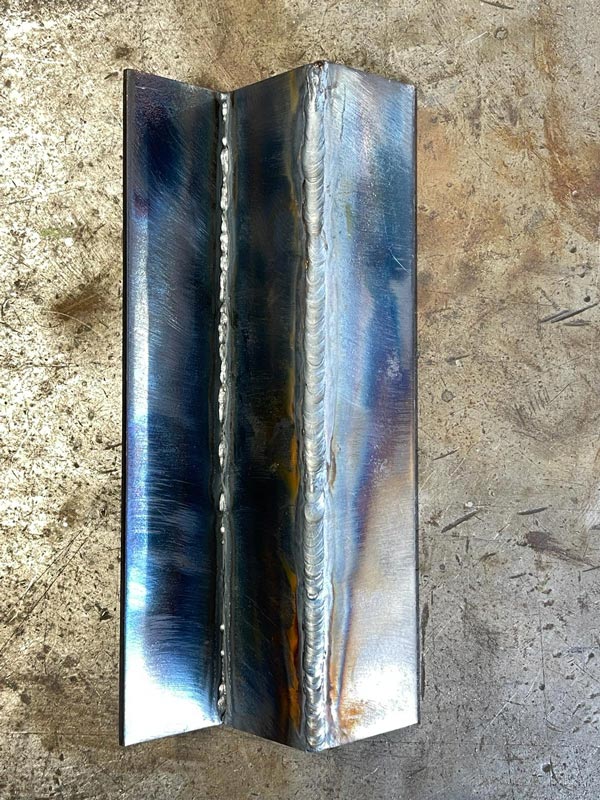
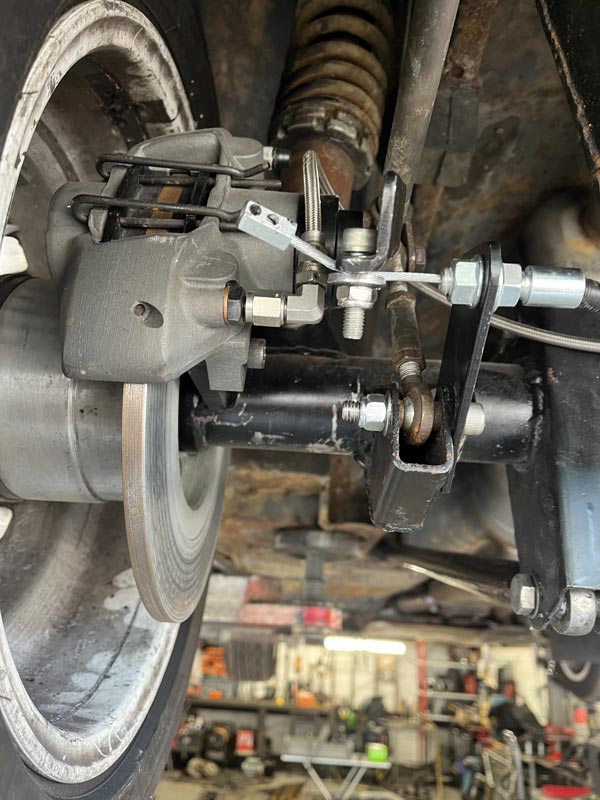
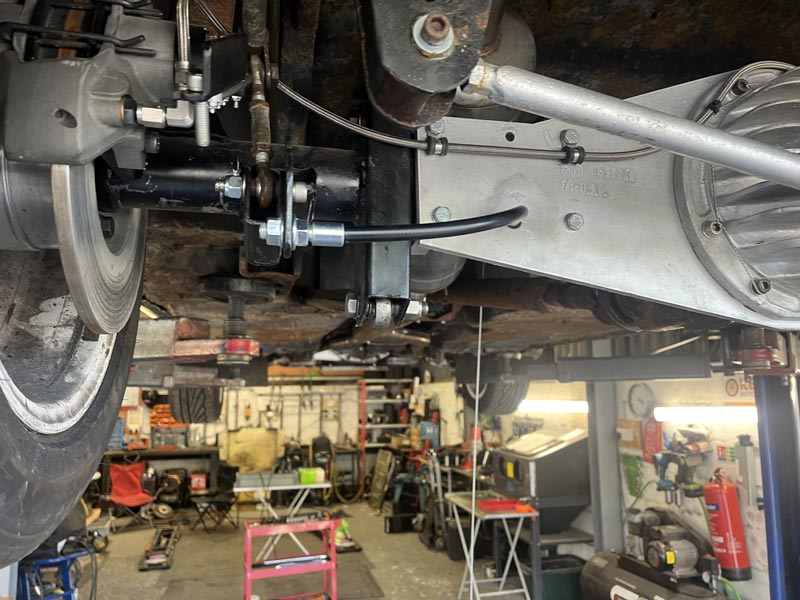
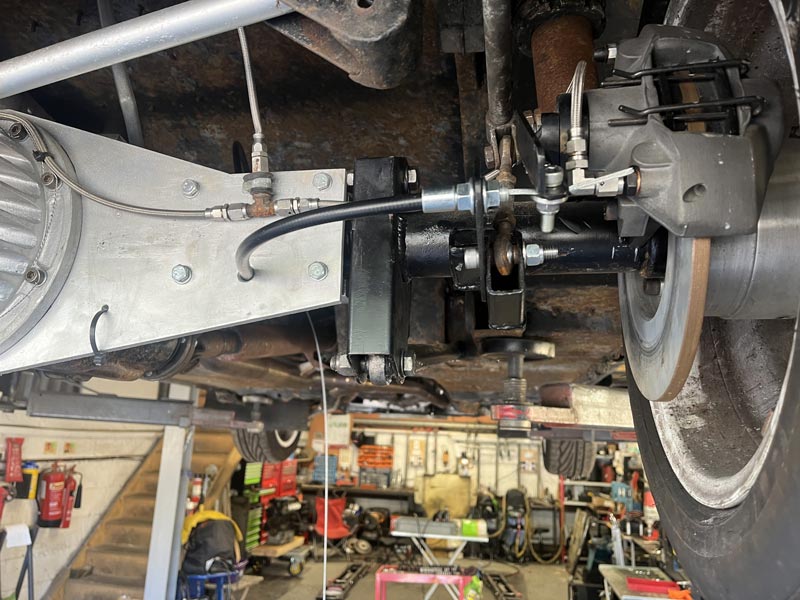
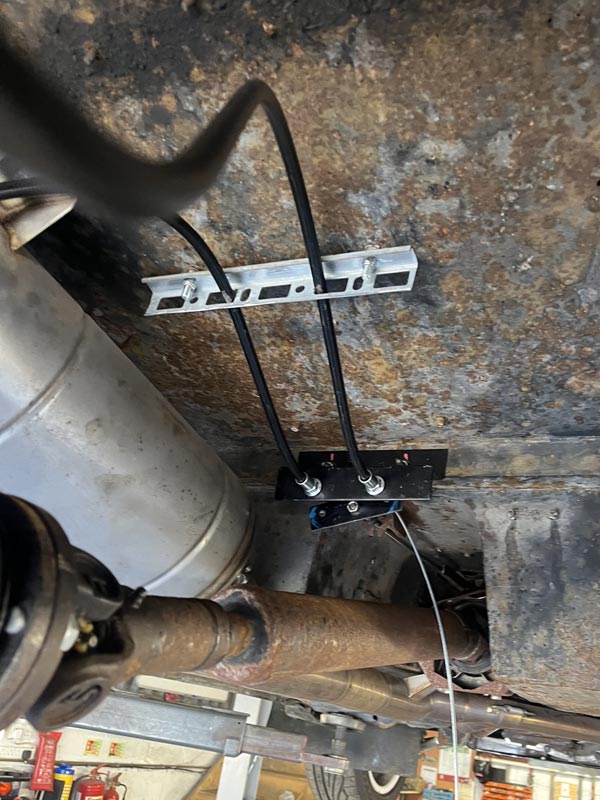
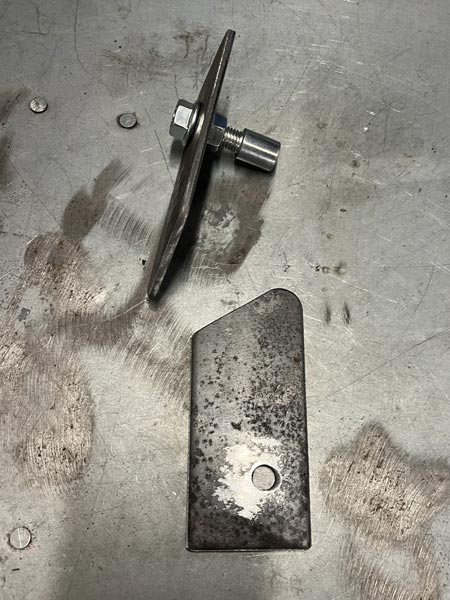
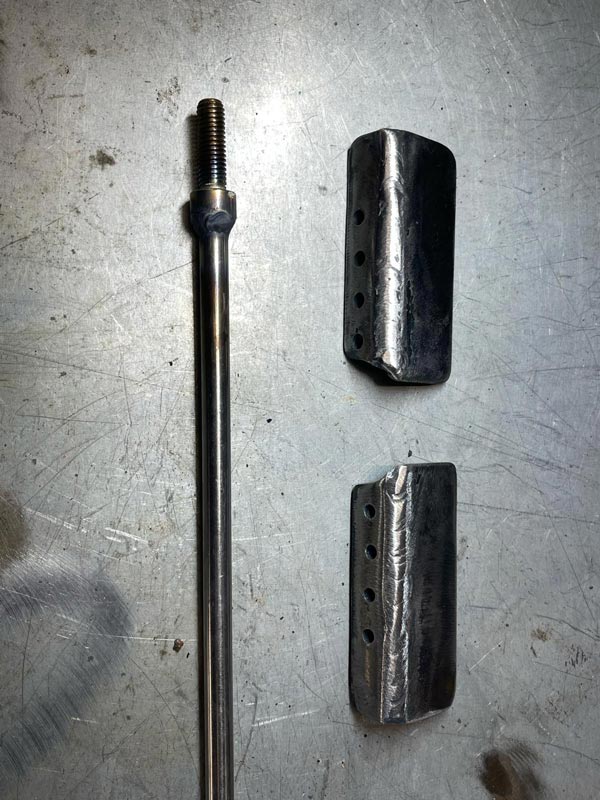
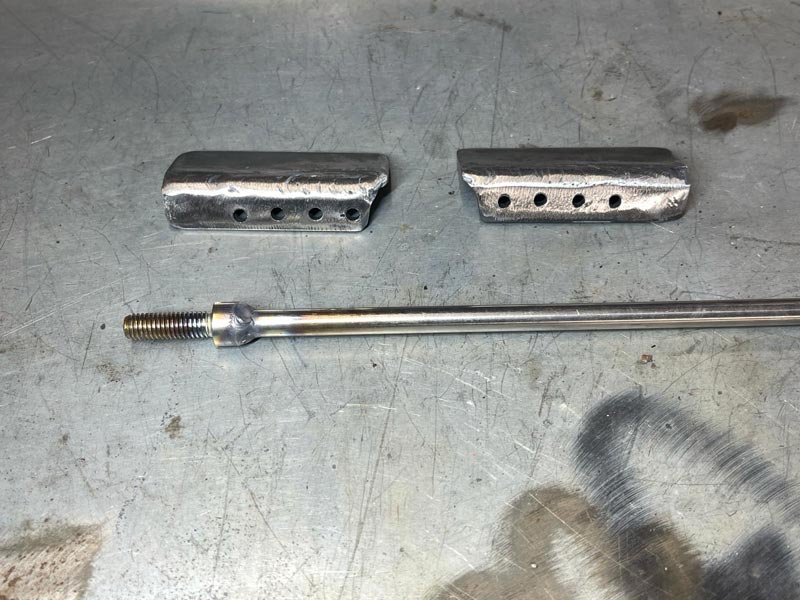
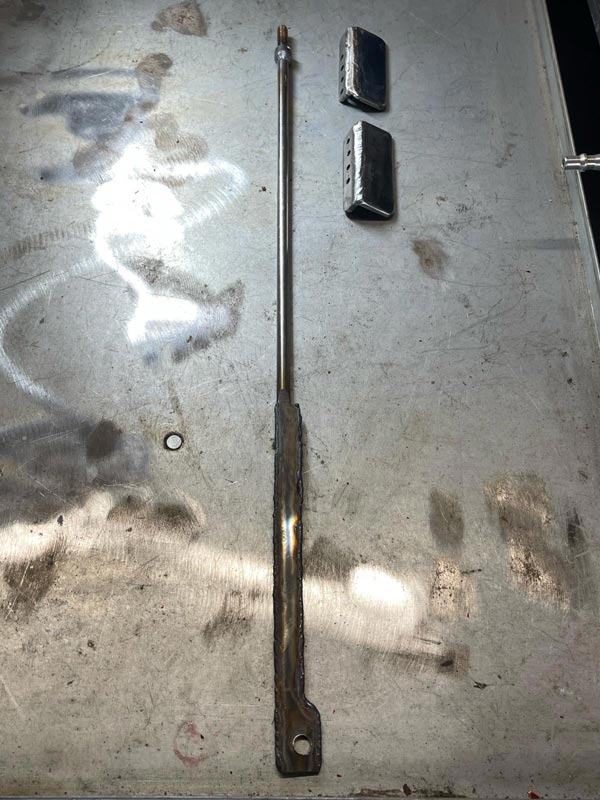
We fabricated a series of bespoke brackets to support and guide the cables between the handbrake lever and the rear calipers.
The cables were routed symmetrically through the chassis and rear axle area to connect with the mechanical handbrake mechanisms on both rear calipers.
Careful positioning was important to ensure that the cables operated smoothly and that the installation remained secure.
Bespoke Adjustment Mechanism
To allow the cable tension to be adjusted correctly, we fabricated a threaded adjustment rod connected directly to the handbrake lever.
This provides a means of balancing and adjusting the load applied to the cables, allowing the mechanical handbrake to be set up correctly.
The finished arrangement integrates the new cable-operated mechanism with the existing hydraulic system.
The Result
The Sierra now has a fully functioning handbrake system incorporating both hydraulic and mechanical operation.
The hydraulic system remains available for its intended track use, while the cable-operated mechanism provides the conventional parking brake function required for roadworthiness testing.
Most importantly, the car subsequently passed its MOT.
The solution allows the owner to retain the benefits of the car’s competition specification while meeting the practical requirements of road use.
Why It Matters
These two projects demonstrate an important aspect of Kent Motorsport’s approach to specialist vehicle preparation.
Modified competition cars often present challenges that cannot be resolved by simply ordering replacement components.
In this case, the Sierra’s rallying history, engine conversion and modified braking system meant that conventional solutions were not suitable.
Both projects required a combination of:
- Careful assessment of the existing vehicle.
- An understanding of how modified systems interact.
- Bespoke bracket and component fabrication.
- Practical solutions to restricted installation space.
- Attention to heat management, vibration and reliability.
- Engineering that respects the vehicle’s competition heritage while accommodating its current use.
The oil cooler installation improved the car’s ability to withstand demanding track use, while the handbrake conversion resolved a roadworthiness problem without removing the functionality required for competition-style driving.
Neither solution was simply about fitting parts. Both involved understanding the problem and engineering an appropriate answer.
The Result – A More Usable and Reliable Competition Car
Following the completion of both projects, the Sierra Cosworth benefits from improved engine cooling and a more versatile handbrake system.
The owner can now enjoy:
- Improved oil temperature control during demanding track sessions.
- Greater engine protection and reliability.
- A properly mounted and heat-protected oil cooling installation.
- Restored hydraulic handbrake operation.
- A bespoke cable-operated parking brake.
- Successful completion of the MOT.
The finished work demonstrates how thoughtful engineering and skilled fabrication can extend the usefulness of a historic competition vehicle while preserving the modifications that make it distinctive.
Project Gallery
The galleries document both aspects of the work, including the bespoke oil cooler mounting arrangement, oil line routing and heat protection, together with the handbrake cable installation, fabricated brackets and adjustment mechanism.
These photographs help illustrate the level of detail involved in developing solutions for a heavily modified competition car.
Related Services
Kent Motorsport provides specialist engineering and fabrication services for historic and modern competition vehicles, including:
- Race Car Preparation
- Historic Motorsport Preparation
- Motorsport Fabrication & Welding
- Bespoke Component and Bracket Fabrication
- Competition Brake Servicing and Modifications
- Track Car Reliability Improvements
- Engine Cooling System Upgrades
Whether you’re preparing a historic rally car for circuit use, improving the reliability of a modified track car or trying to resolve an engineering problem that conventional parts cannot solve, Kent Motorsport can help develop a practical, purpose-built solution.
Have a specialist motorsport engineering challenge? Contact Kent Motorsport to discuss your vehicle and the work required.