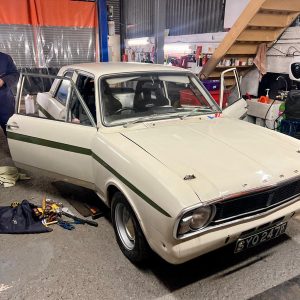
The Vehicle
Vehicle: Lotus Cortina Mk2
Project Type: Historic Race Car Preparation
Services Provided:
- Historic race car preparation
- FIA-compliant seat installation
- Roll cage modifications
- Custom fabrication
- Safety equipment installation
- Brake servicing
- Fuel system upgrades
The Lotus Cortina is one of the most recognisable competition saloons of the 1960s and has become an increasingly rare and sought-after historic performance car. Preparing one for circuit racing requires an understanding of both modern motorsport regulations and the sympathetic treatment that a valuable historic vehicle deserves.
Customer Requirements
The owner’s vision was to convert the car from its previous rally specification into a circuit race car suitable for track competition.
The project included:
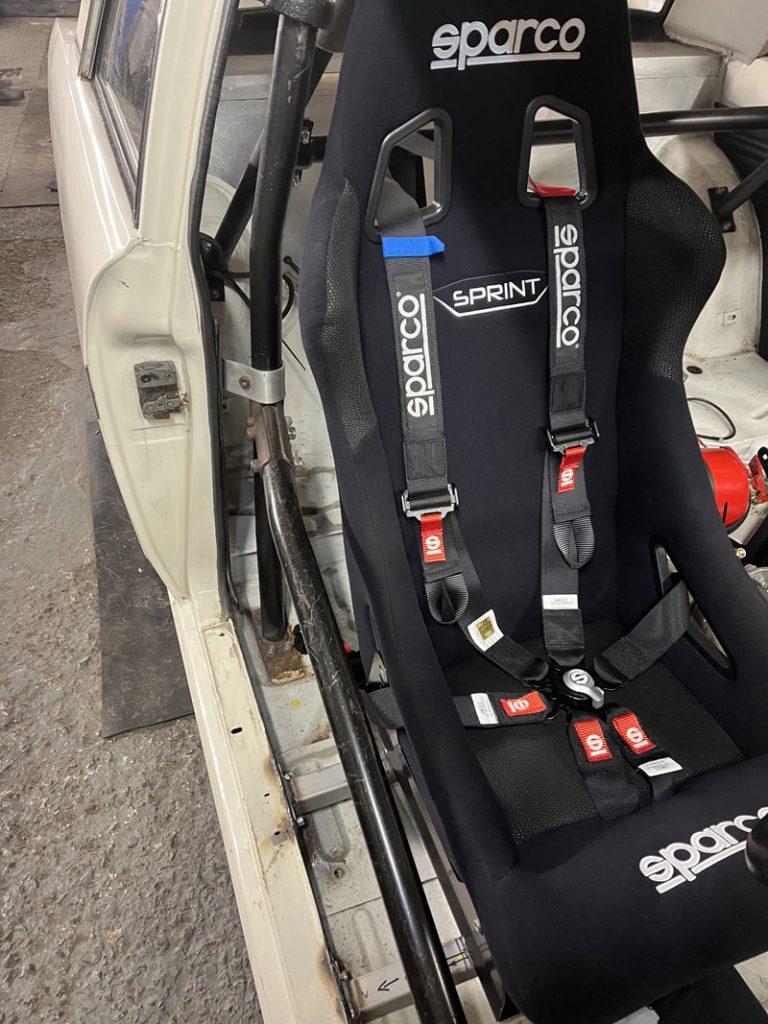
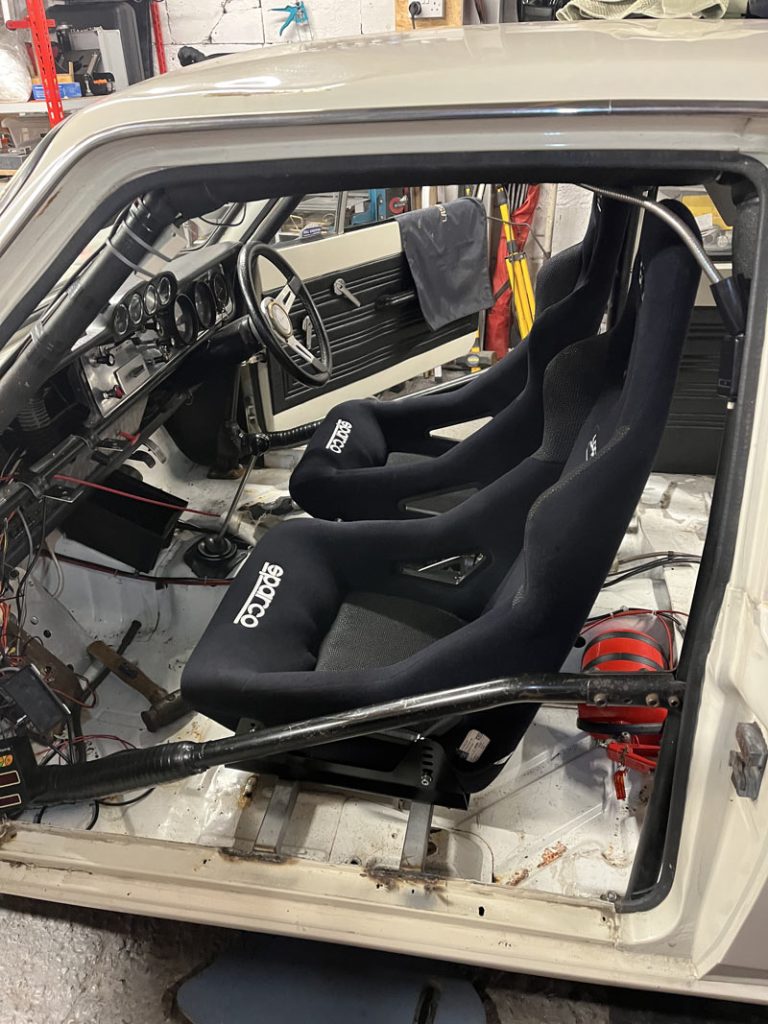
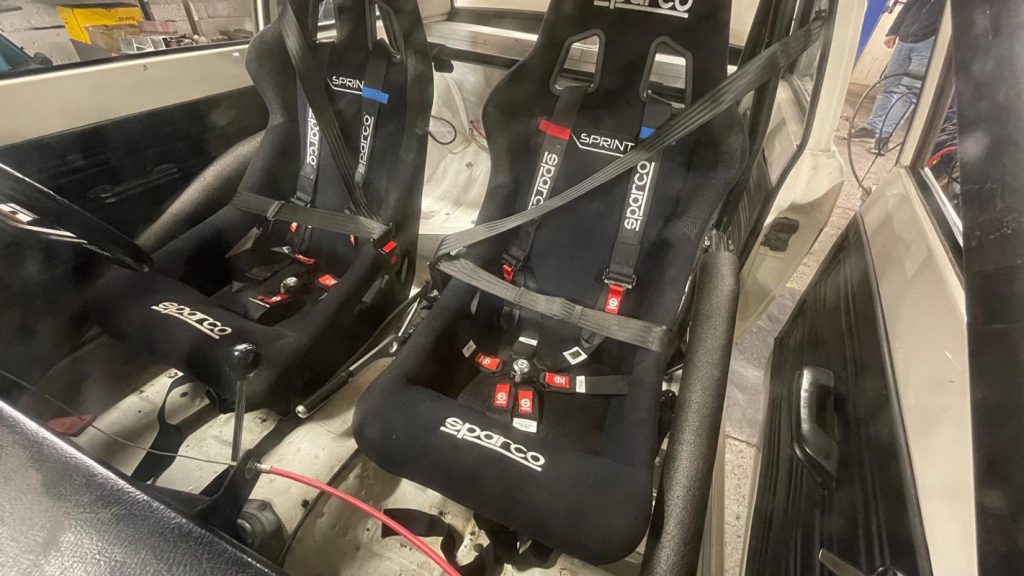
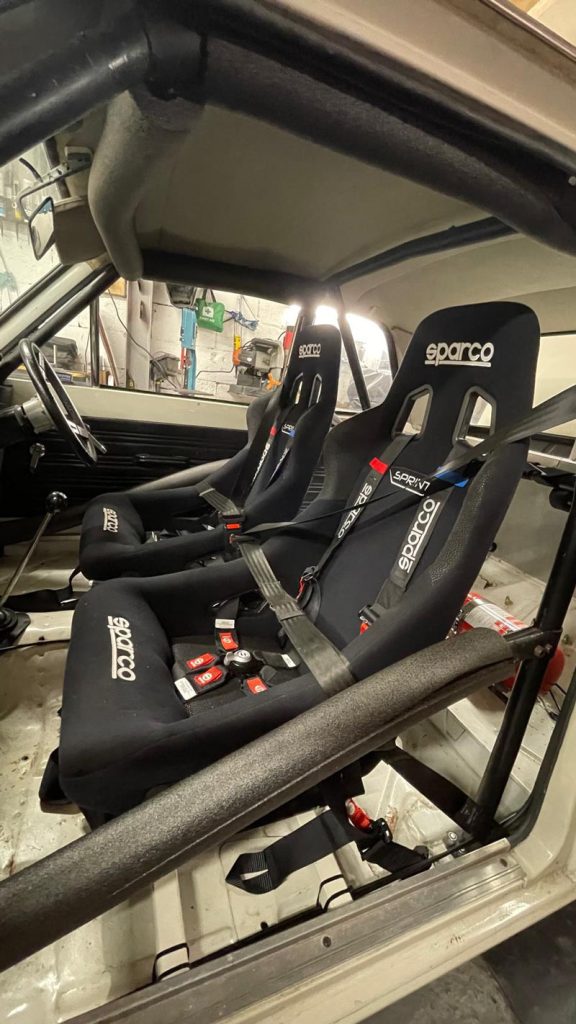
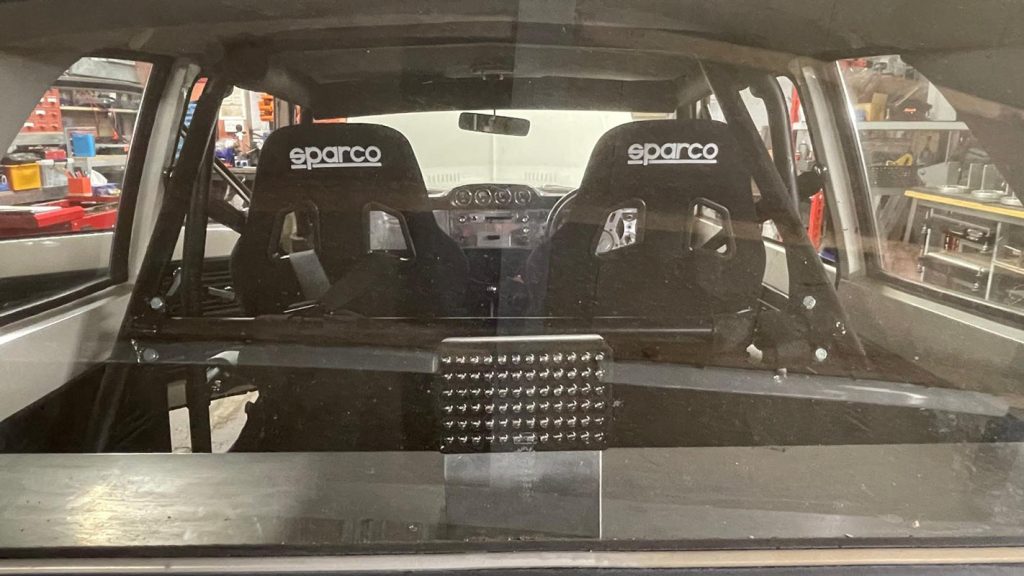
- Installing two competition bucket seats and racing harnesses.
- Adding a harness bar to the existing roll cage.
- Installing a fire extinguisher system.
- Fitting an electrical cut-off switch.
- Upgrading the fuel system with a pressure regulator.
- Preparing the vehicle to meet current circuit racing safety standards.
The objective was to create a car that was safe, practical and ready for competitive circuit use while maintaining a professional, period-appropriate appearance.
Engineering Challenges
As with many historic competition cars, the work uncovered a number of issues that could not have been identified until the build was underway.
During the strip-down we discovered cracking around the steering mounting brackets, which required repair and reinforcement before any further work could continue. We also found that the vehicle’s wiring had deteriorated significantly over the years and required extensive attention to restore reliability.
Because the car was no longer being used for rallying, the redundant navigation equipment, intercom system and map lights were removed to simplify the interior and reduce unnecessary weight.
These additional tasks are typical when working on historic competition cars and demonstrate why every build requires flexibility, experience and careful engineering rather than simply following a parts list.
Work Carried Out
The project began by stripping the rally-specific equipment from the interior, including the original seats, seat mounts and navigation systems.
Bespoke Competition Seating
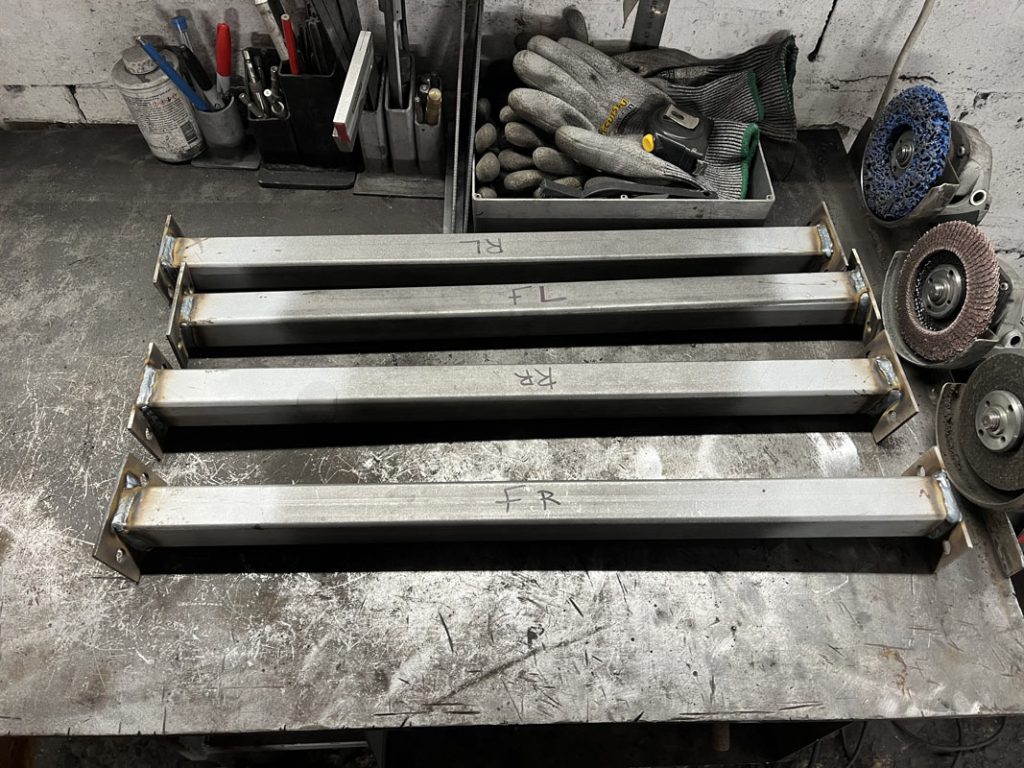
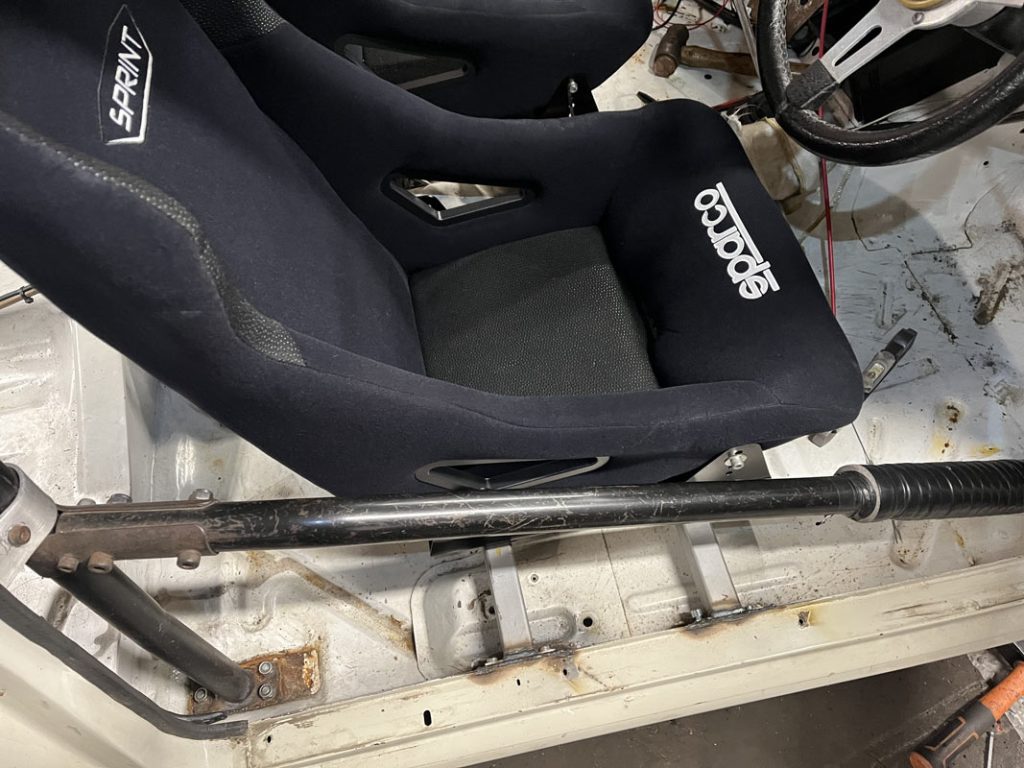
To achieve the correct driving position, we designed and fabricated bespoke seat mounting brackets manufactured to FIA standards. These were welded directly to the chassis to provide maximum strength and rigidity.
Particular care was taken to position the driver’s seat to suit a taller driver while maintaining an ergonomic driving position and ensuring sufficient clearance within the cockpit.
The driver’s seat was also positioned to allow the harnesses to function correctly and safely.
Harness Bar & Safety Equipment
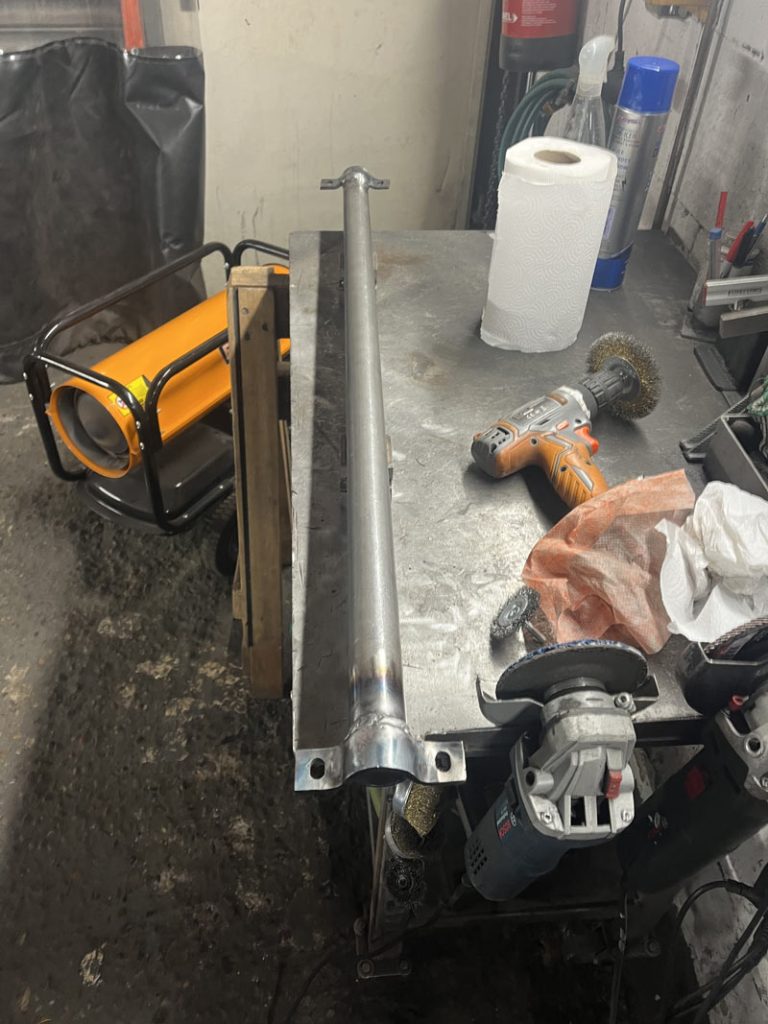
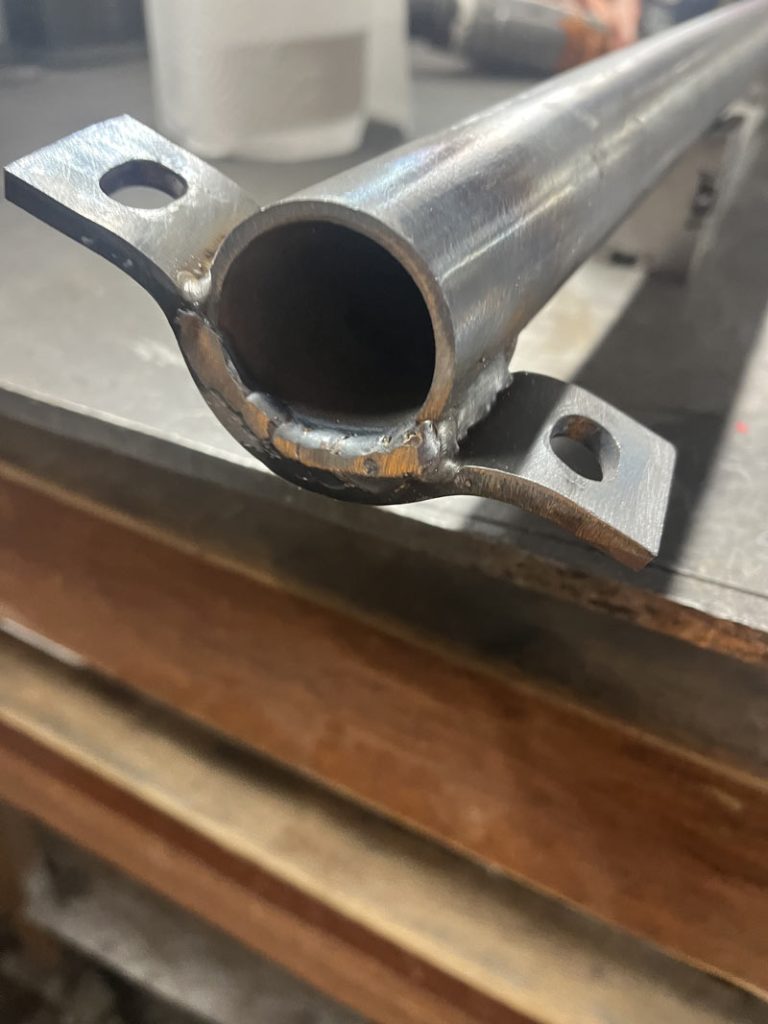
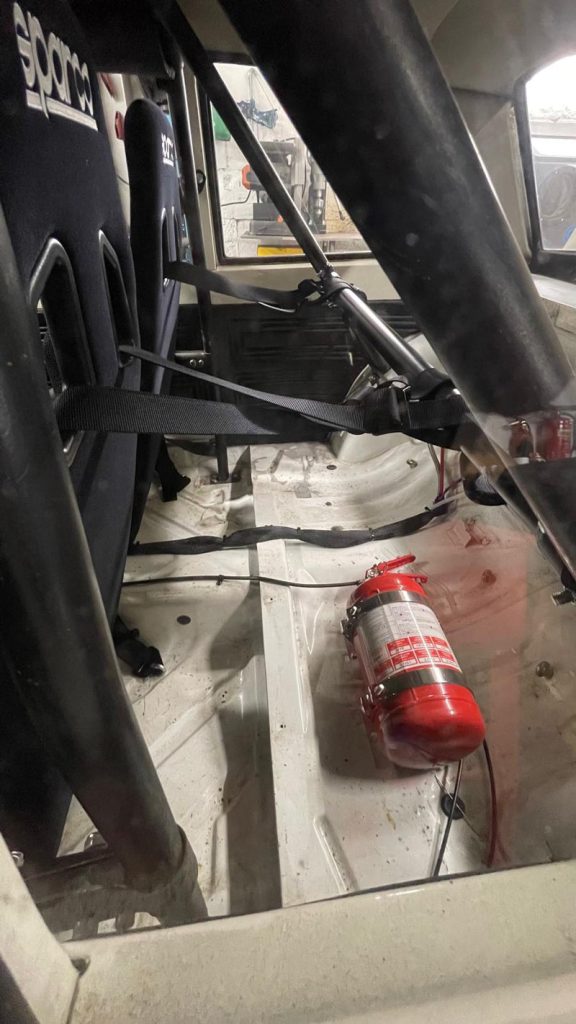
Once the seating position had been finalised, we fabricated and installed a harness bar within the existing roll cage. The exact position of the harness bar is determined by the seating position, ensuring the shoulder straps meet the correct mounting angles required for safe operation.
To comply with circuit racing regulations, we also installed a fire extinguisher system and an electrical master cut-off switch.
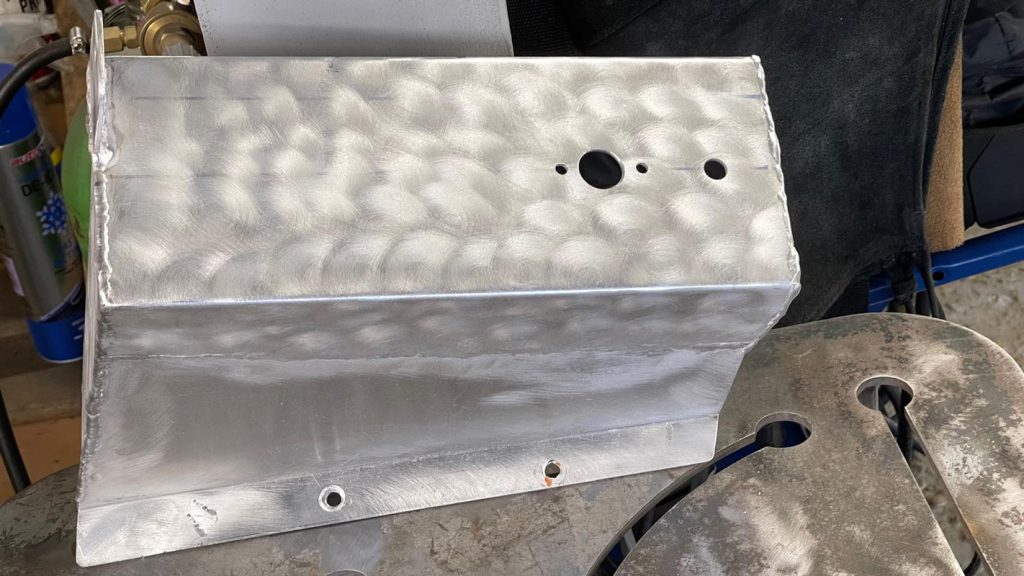
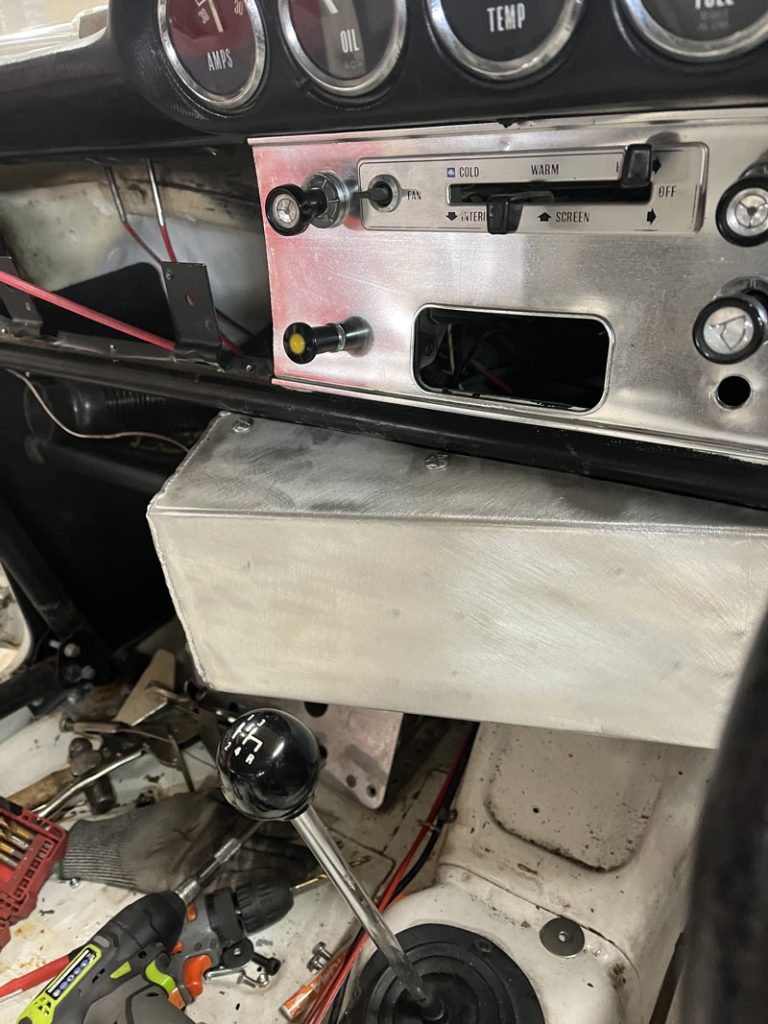
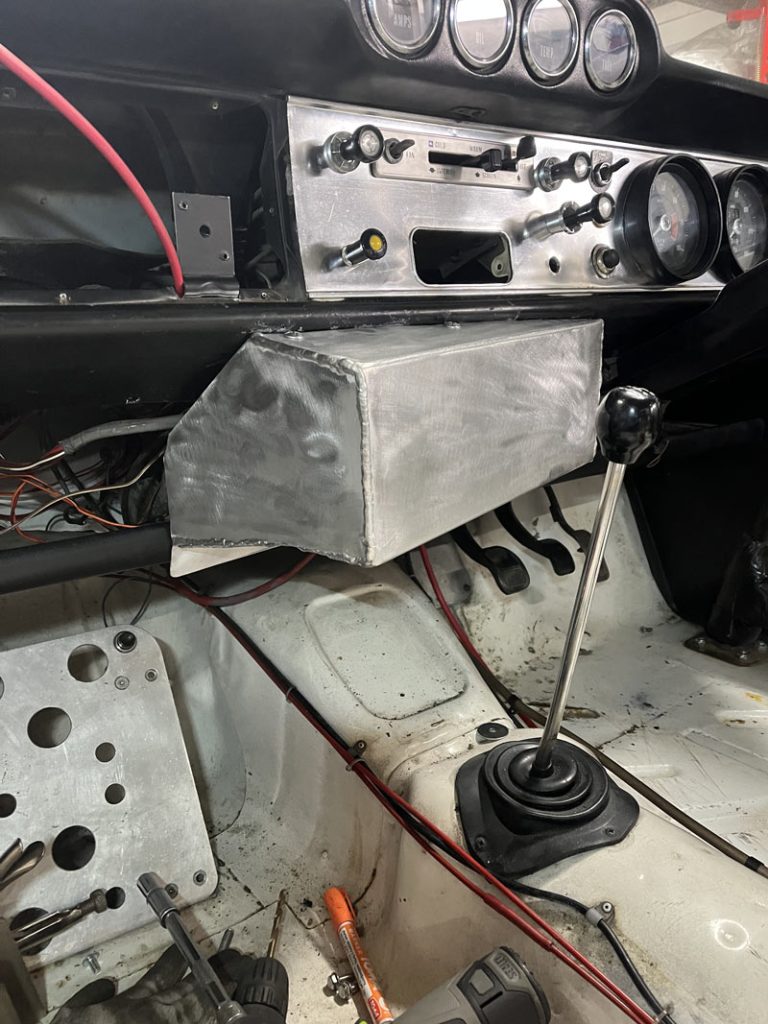
Rather than mounting these controls wherever space allowed, we fabricated a completely new centre console. This positioned both the extinguisher pull cable and electrical cut-off switch within easy reach of the driver while fully strapped into the harnesses. The console was subtly angled to improve accessibility and designed with space for future instrumentation such as oil pressure or oil temperature gauges.
Fuel System Improvements
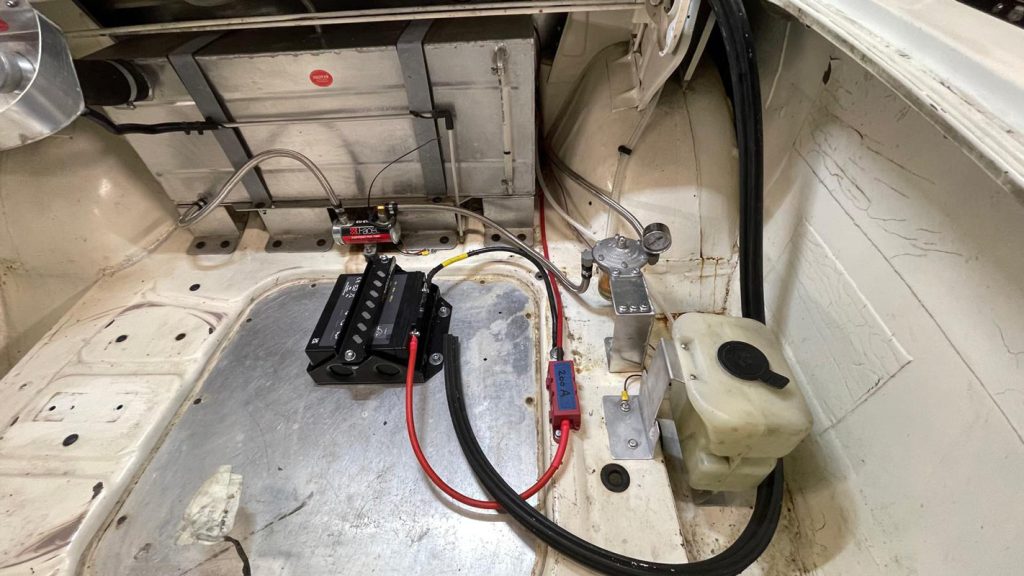
The vehicle already featured a custom aluminium fuel tank mounted in the boot.
To complete the installation safely, we fabricated bespoke mounting brackets for the fuel pressure regulator and upgraded the fuel lines to stainless steel items meeting FIA safety standards.
A further custom bracket was manufactured to relocate the washer bottle to the rear of the vehicle, contributing towards improved weight distribution.
Harness Mounting
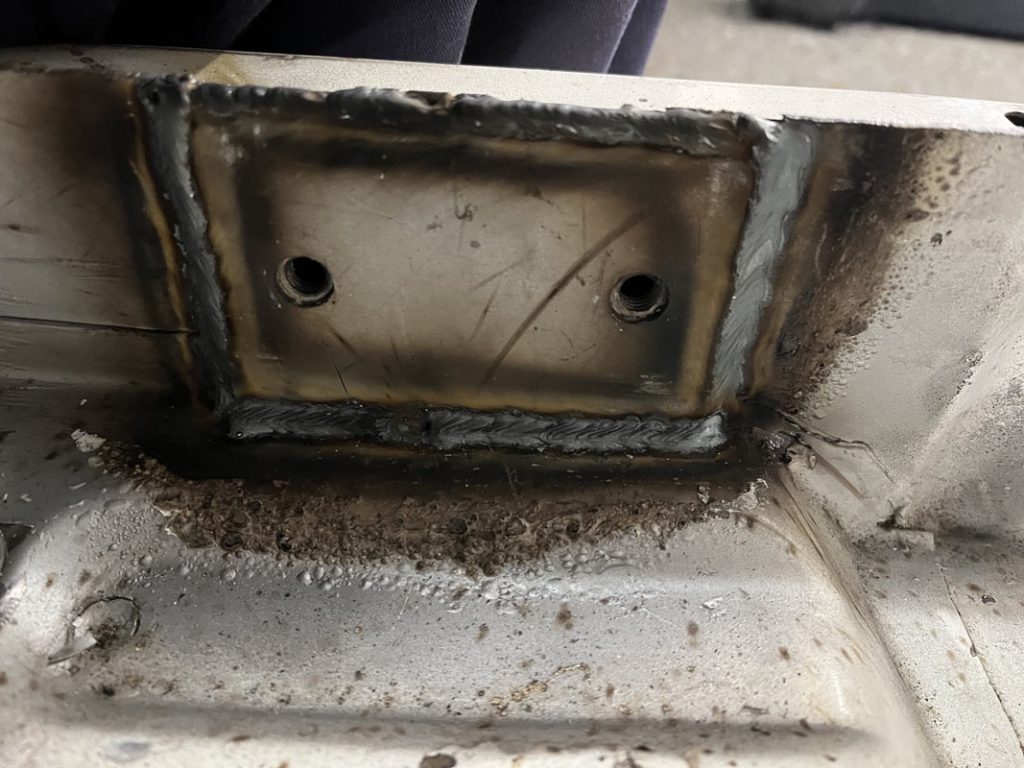
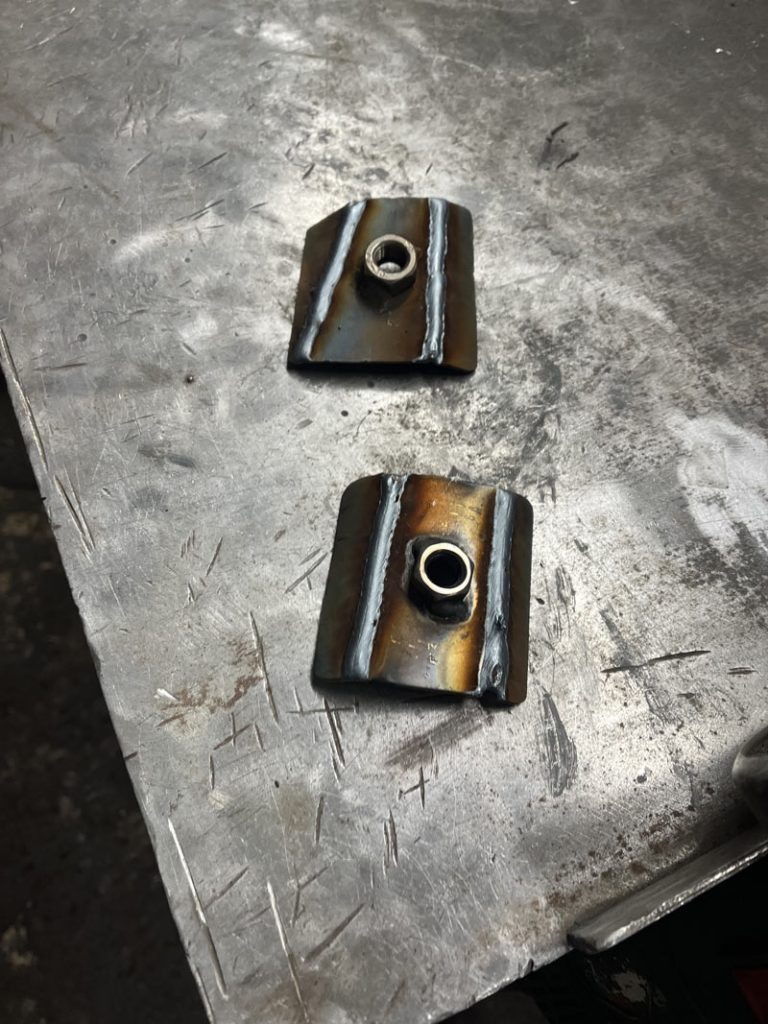
To ensure the harnesses met current safety standards, bespoke reinforcement plates were fabricated beneath the chassis and welded into position, providing strong and secure mounting points for the harness system.
Brake Preparation
As part of the overall preparation, the braking system was fully serviced and filled with high-temperature racing brake fluid to improve braking consistency and reliability under circuit conditions.
Why It Matters
Historic race car preparation requires far more than installing modern motorsport equipment.
Every modification must work in harmony with the vehicle while respecting its history, maintaining structural integrity and complying with modern safety standards.
This project demonstrates the importance of thoughtful engineering, bespoke fabrication and attention to detail. Rather than simply fitting components, every installation was carefully designed to suit both the vehicle and its intended use, resulting in a cockpit that is safer, more practical and ready for competitive circuit racing.
The Result
The Lotus Cortina has been successfully transformed from a former rally car into a circuit race car prepared for its next stage of competition.
The completed build provides the owner with:
- FIA-standard seating installation.
- Correctly mounted competition harnesses.
- Improved driver ergonomics.
- Enhanced fire and electrical safety systems.
- Upgraded fuel system safety.
- Reliable braking performance.
- A professionally engineered cockpit designed specifically for circuit racing.
Most importantly, the project preserves the character of this rare historic competition car while ensuring it is prepared to compete safely and reliably on the circuit for many years to come.
Related Services
Kent Motorsport provides specialist preparation and engineering services for historic and modern competition vehicles, including:
- Historic Race Car Preparation
- Race Car Builds
- Roll Cage Installation
- Motorsport Fabrication & Welding
- Suspension Setup & Steering Geometry
- Brake Preparation
- Competition Safety Equipment Installation
Whether you’re restoring a historic competition car, converting a former rally car for circuit racing or building a race car from the ground up, Kent Motorsport combines practical motorsport experience with precision engineering to prepare vehicles for safe, reliable and competitive performance.
Planning a historic motorsport project? Contact Kent Motorsport to discuss how we can help prepare your classic competition car for its next chapter.