
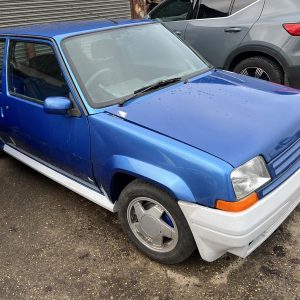
The Vehicle
Vehicle: Renault 5 GT Turbo
Project Type: Classic Car Restoration and Structural Fabrication
Project Status: Ongoing – Bodyshell Restored and Rolling Chassis Assembled
Services Demonstrated:
- Classic car restoration
- Structural bodywork repairs
- Corrosion removal and metal replacement
- Bespoke panel fabrication
- Welding and chassis repairs
- Bodyshell protection
- Mechanical and interior reassembly
Introduced during the 1980s, the Renault 5 GT Turbo became one of the most recognisable performance hatchbacks of its era.
Lightweight, compact and powered by a turbocharged engine, it developed a loyal following among driving enthusiasts and remains a highly regarded modern classic.
Today, finding an example with a sound bodyshell is becoming increasingly difficult, making careful restoration particularly worthwhile.
Project Objectives
Unlike our usual customer commissions, this Renault 5 GT Turbo is a restoration project undertaken by Kent Motorsport itself.
We acquired the car knowing that the bodyshell would require extensive attention. While many of the original components were present, others were missing, and years of corrosion had taken their toll on the structure.
Our objective was to restore the shell to a sound, strong condition while preserving as much of its original appearance as possible.
The work would involve:
- Completely stripping the vehicle to a bare bodyshell.
- Identifying and removing corroded structural metal.
- Fabricating and welding replacement steel sections.
- Restoring the strength and integrity of the shell.
- Protecting the repaired metal against future corrosion.
- Reassembling the suspension, brakes, electrical systems and interior.
- Preparing the car for the eventual installation of its engine and gearbox.
The priority was to create a solid foundation for the remainder of the restoration, ensuring that the car would not simply look good but would also be structurally sound.
The Engineering Challenge
As with many cars of this era, corrosion was the greatest obstacle.
Although some sections of the Renault’s bodyshell remained in good condition, other areas had suffered extensive deterioration.
The worst corrosion was concentrated around several of the model’s known problem areas, including the chassis edges, rear structural sections and jacking points.
These areas are particularly important because they contribute to the strength of the bodyshell and must withstand the loads experienced during normal driving.
Simply covering or patching over the rust would not provide a satisfactory long-term repair.
The affected metal needed to be completely removed and replaced with sound steel, with each new section carefully shaped and welded into the surrounding structure.
Another important consideration was retaining the car’s original appearance.
Our aim was not to create an obviously modified or heavily reconstructed shell, but to carry out repairs that followed the original shapes and construction wherever possible.
This required patience, accurate fabrication and an understanding of how the individual panels contribute to the overall strength of the vehicle.
Work Carried Out
Complete Vehicle Strip-Down
The restoration began with the complete dismantling of the vehicle.
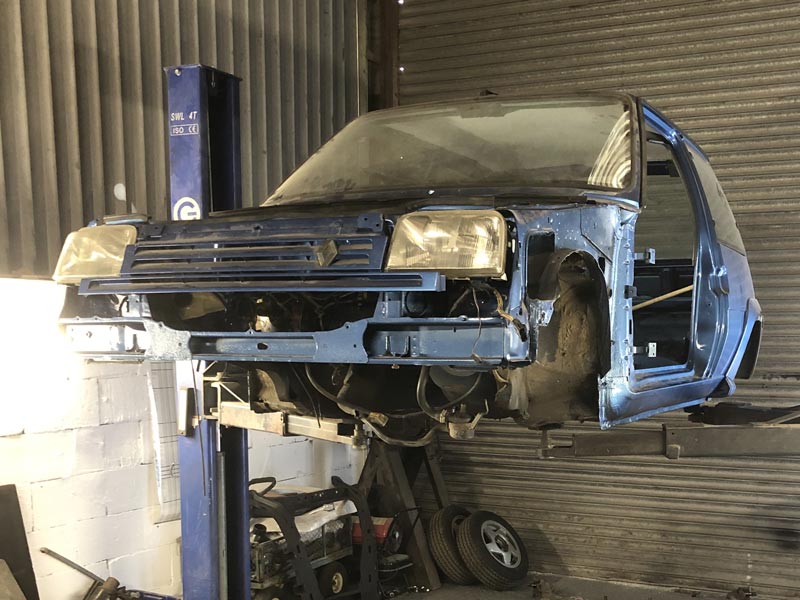
The engine, gearbox, suspension, brakes, interior, electrical components and remaining fittings were removed until only the bare bodyshell remained.
This allowed us to inspect the structure thoroughly and identify the full extent of the corrosion.
Working with a stripped shell also provided better access to areas that would otherwise have been concealed behind mechanical components, trim or underbody fittings.
Corrosion Removal and Structural Repairs
Once the shell had been assessed, we began systematically removing the damaged metal.
Every area of significant corrosion was cut back to sound material, ensuring that the replacement sections would be welded to a solid foundation.
New mild steel panels and repair sections were then fabricated to replace the damaged areas.
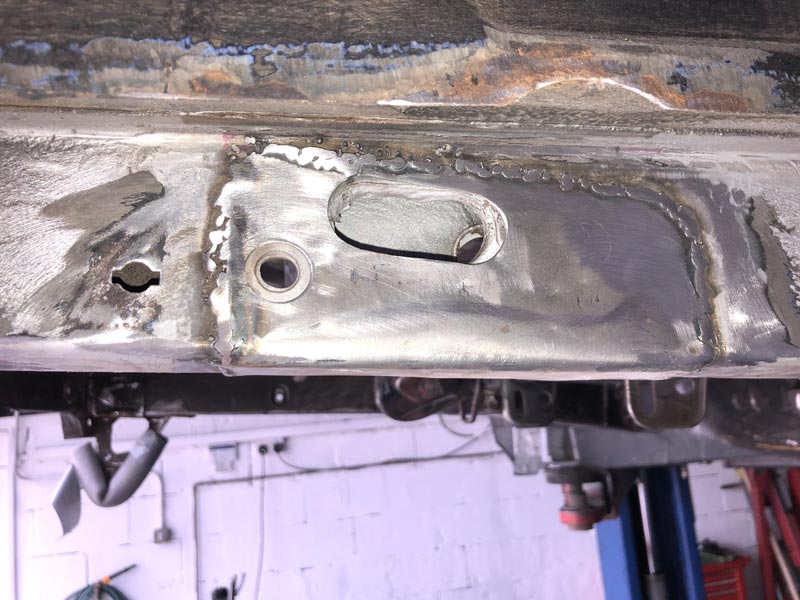
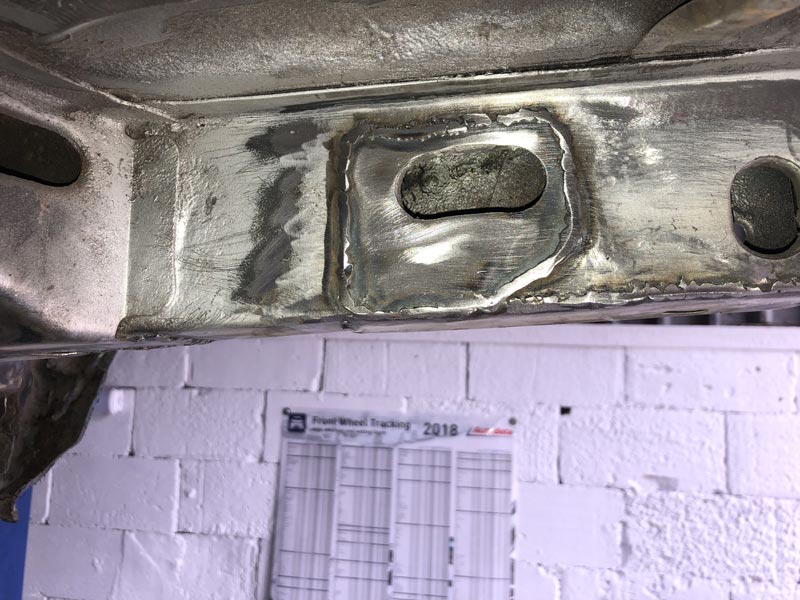
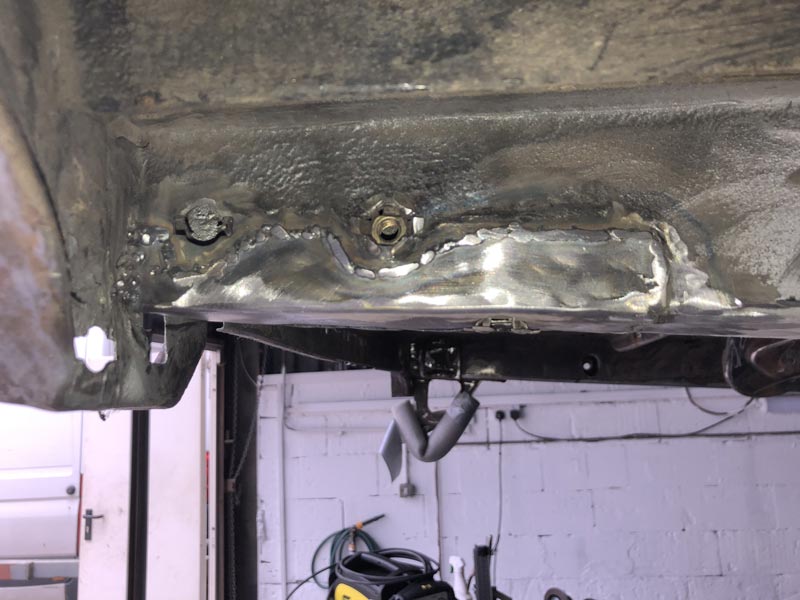
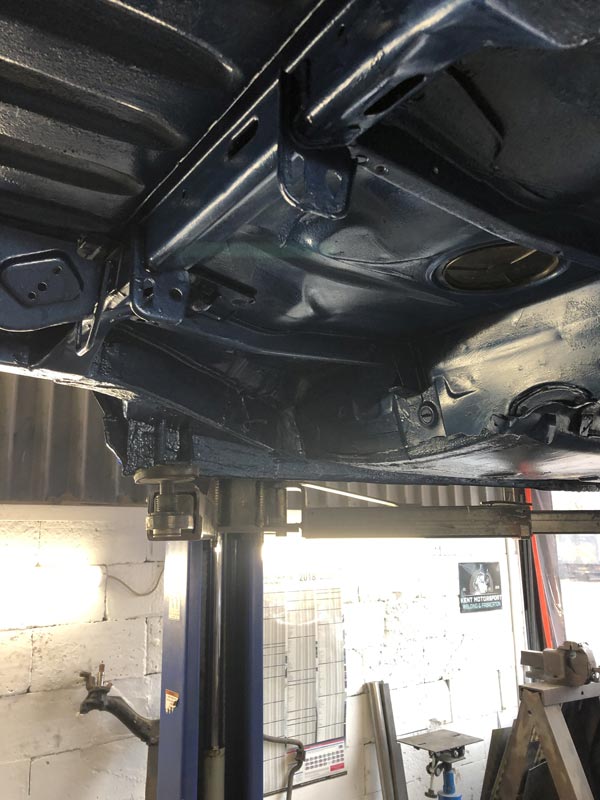
Particular attention was paid to the chassis edges, rear sections and jacking points, where corrosion had affected the original structure.
The replacement metal was carefully shaped and positioned to follow the original contours of the bodyshell.
Each section was then welded into place, restoring the continuity and strength of the surrounding metalwork.
Throughout the process, we worked to retain the original appearance of the car wherever possible.
Bodyshell Protection
With the structural metalwork completed, attention turned to protecting the restored shell.
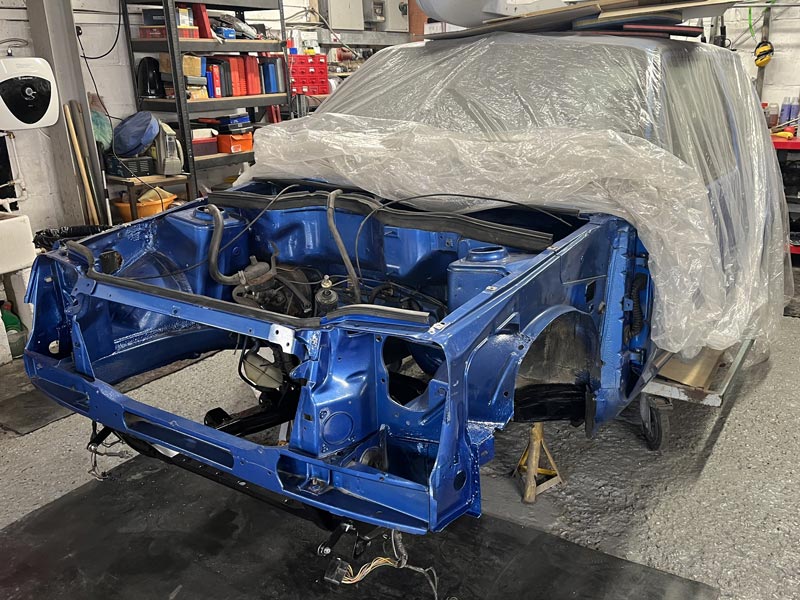
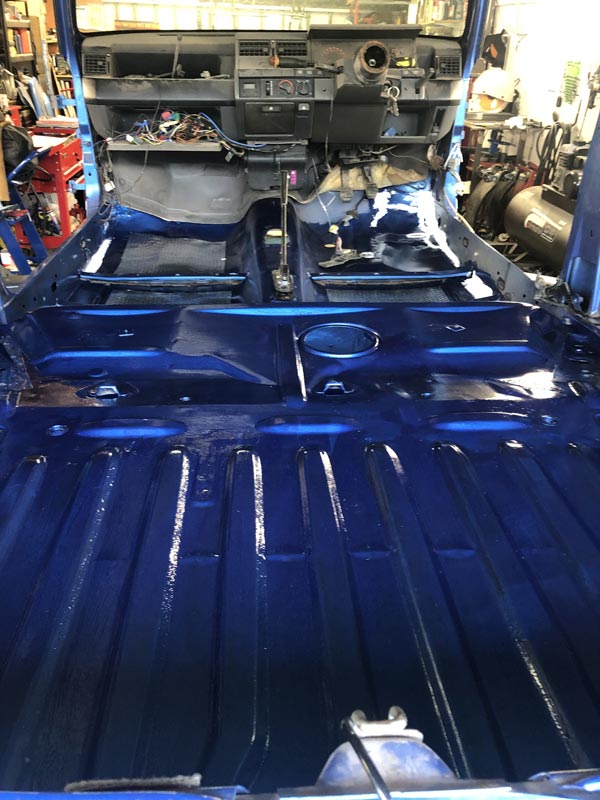
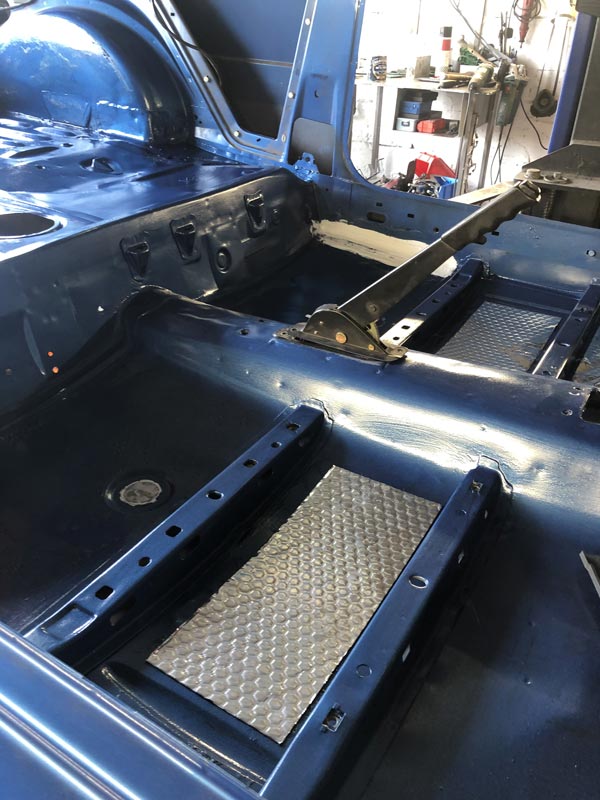
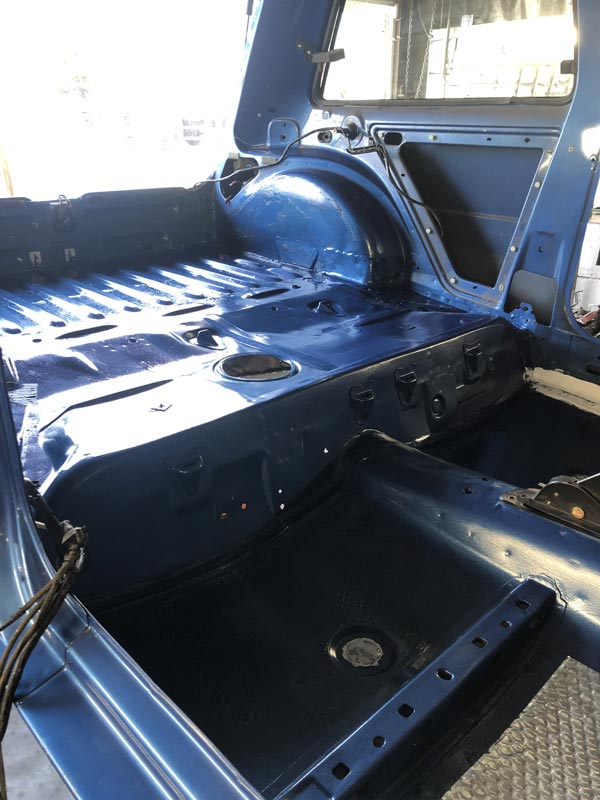
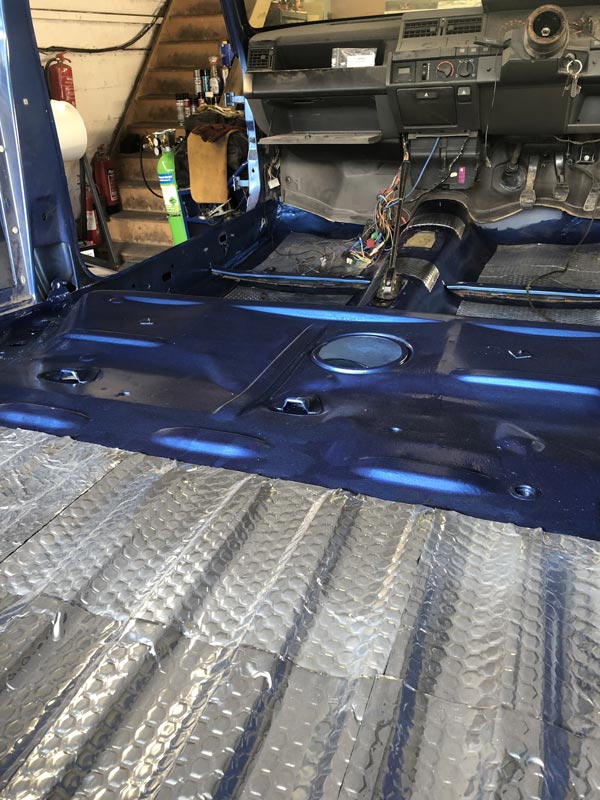
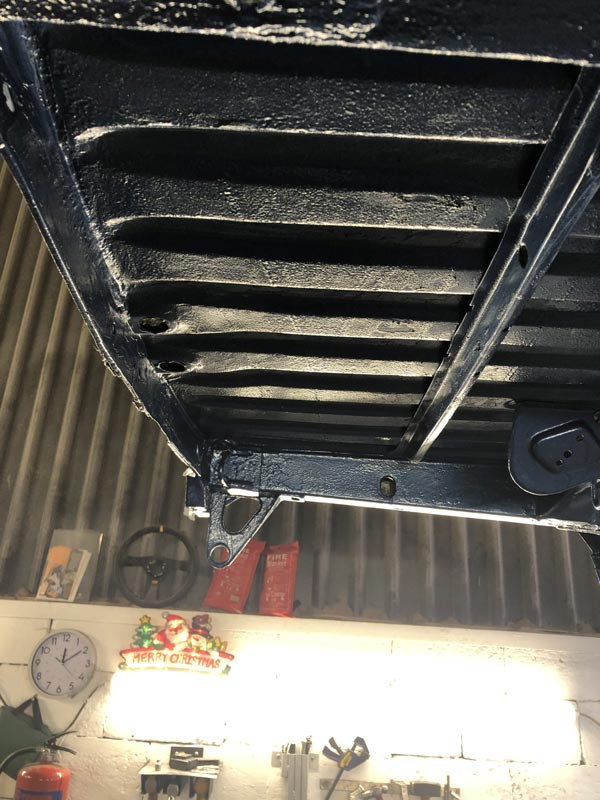
The repaired areas were sealed and protective coatings applied to help prevent moisture and corrosion from damaging the new metalwork.
Sound-deadening materials were also installed as part of the preparation for reassembly.
These stages are particularly important on an older vehicle, where protecting the repaired structure is essential to the long-term success of the restoration.
The objective was to ensure that the considerable fabrication work would provide a durable foundation for many years of future use.
Suspension, Brakes and Mechanical Reassembly
Once the bodyshell restoration was complete, we began rebuilding the car.
The suspension and braking components were reinstalled, allowing the Renault to return to rolling chassis condition.
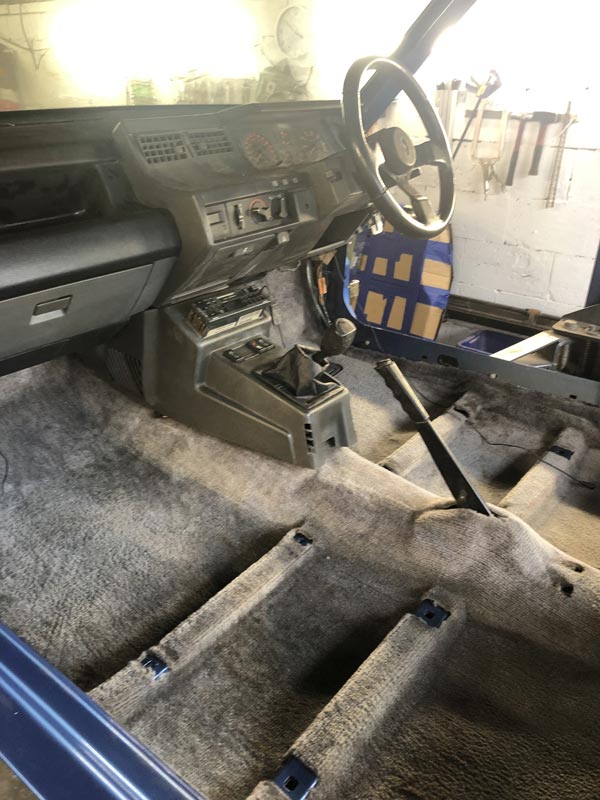
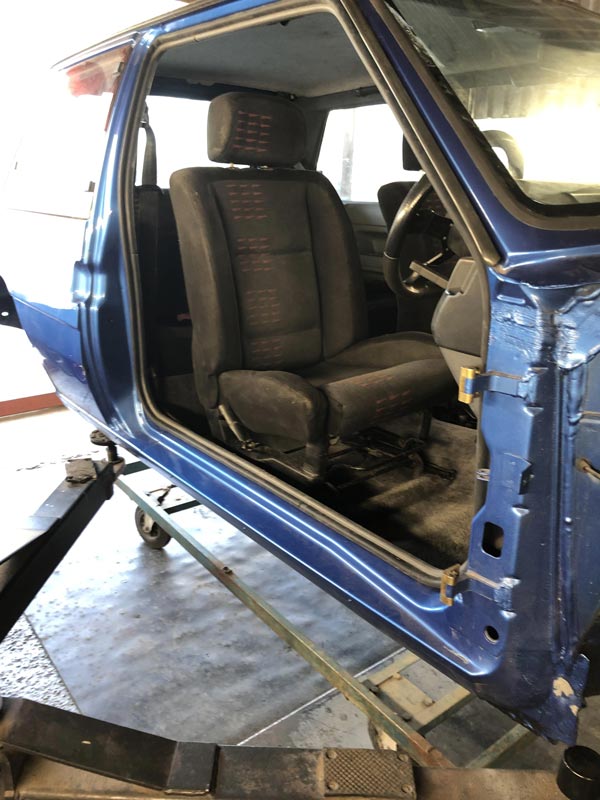
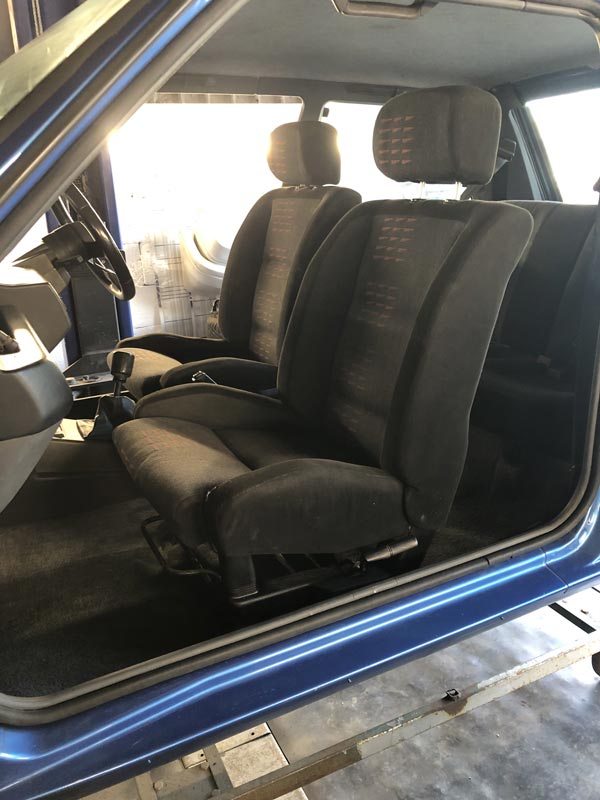
The electrical systems, interior and other components were also progressively refitted.
This stage brought the project much closer to becoming a complete car again, transforming the bare restored shell into something recognisably approaching its original form.
Preparing for the Final Stages
With the structural repairs completed and the major systems reassembled, the project has now reached an important milestone.
The Renault is once again a rolling vehicle, with the engine and gearbox installation remaining as the next major stage.
Although the restoration is not yet complete, the most extensive structural fabrication work has been carried out, providing a sound foundation for the final mechanical work.
Why It Matters
Restoring a classic car is about much more than making it look presentable.
A vehicle can appear reasonably sound from the outside while concealing extensive corrosion in areas that are essential to its structural integrity.
On a car such as the Renault 5 GT Turbo, where replacement body panels and original components can be increasingly difficult to obtain, skilled fabrication becomes particularly important.
This project demonstrates Kent Motorsport’s ability to:
- Assess and repair extensive bodyshell corrosion.
- Remove damaged structural metal rather than conceal it.
- Fabricate replacement sections to suit the original vehicle.
- Restore strength while retaining the car’s original appearance.
- Protect repaired metalwork against future deterioration.
- Undertake substantial dismantling and reassembly work.
These skills are equally relevant to classic road cars, historic rally cars and older competition vehicles.
Whether the project involves repairing a corroded chassis section, reconstructing an unavailable panel or restoring a competition bodyshell, the same principles apply: careful assessment, accurate fabrication and attention to structural integrity.
The Result – A Classic Saved for the Future
The Renault 5 GT Turbo has undergone a substantial transformation.
What began as a project car with extensive corrosion and missing components now has a comprehensively repaired and protected bodyshell.
The completed work includes:
- Extensive structural corrosion removal.
- Fabrication and installation of replacement steel sections.
- Repairs to chassis edges, rear sections and jacking points.
- Restoration of the bodyshell’s structural integrity.
- Protective sealing and sound-deadening installation.
- Reassembly of suspension and braking components.
- Reinstallation of interior and electrical systems.
- Preparation for the engine and gearbox installation.
The car is now back on its wheels, with the major structural restoration work completed.
There is still work to do before it returns to the road, but the most important achievement has already been made: another Renault 5 GT Turbo has been given a future.
Project Gallery
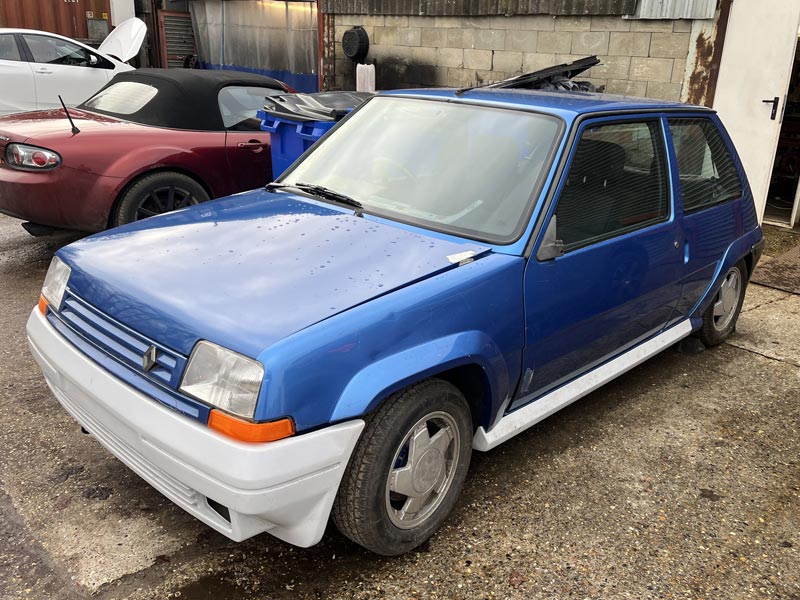
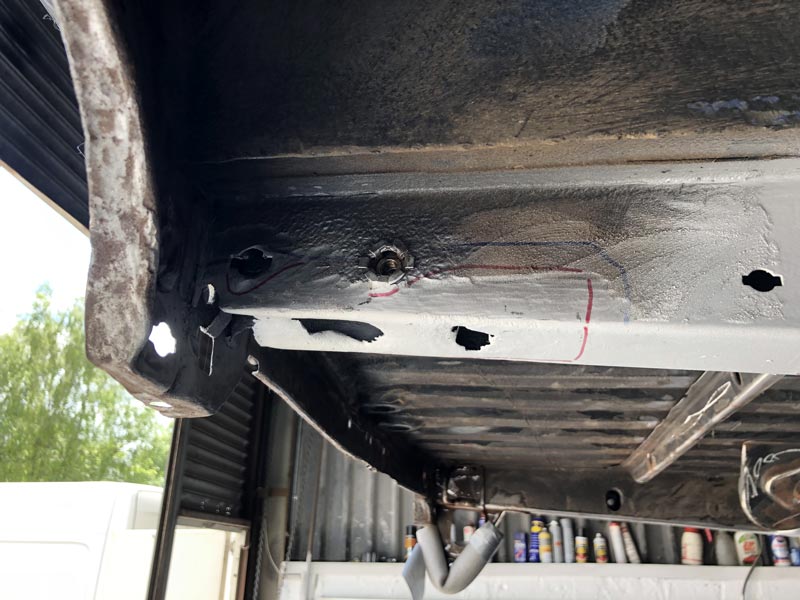
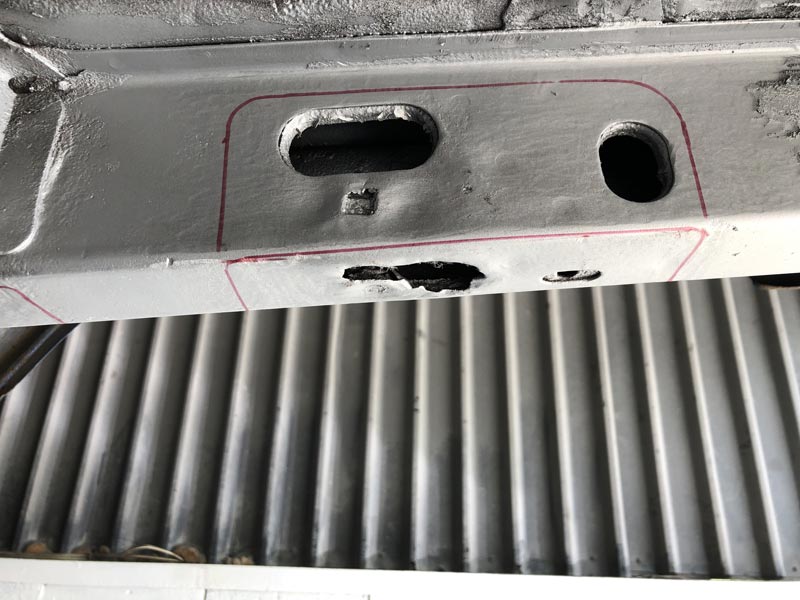
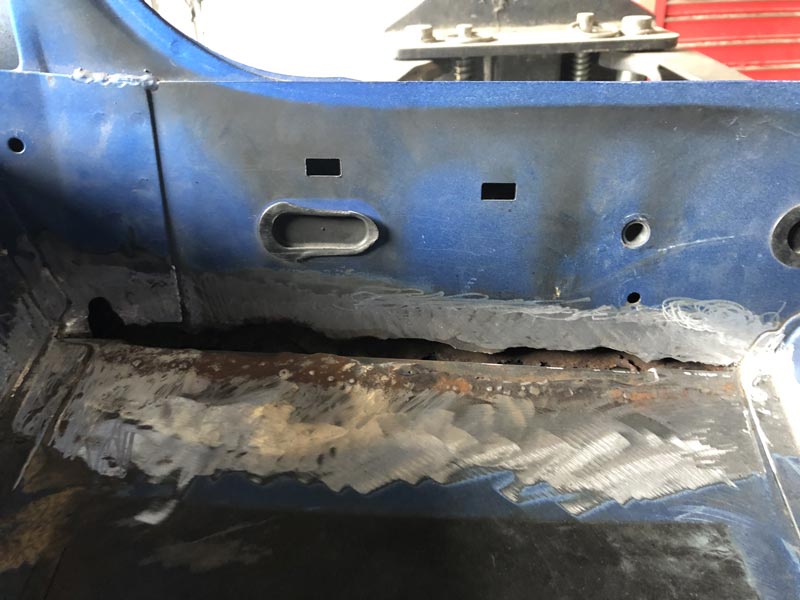
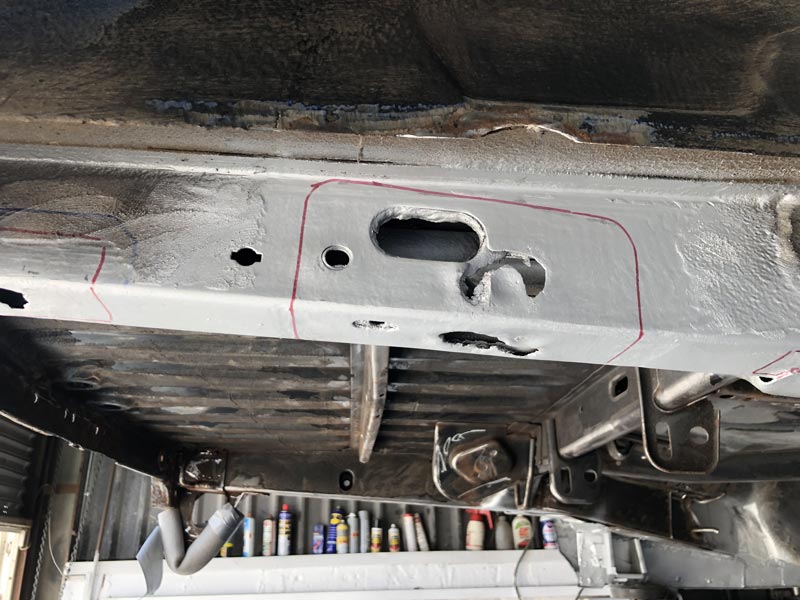
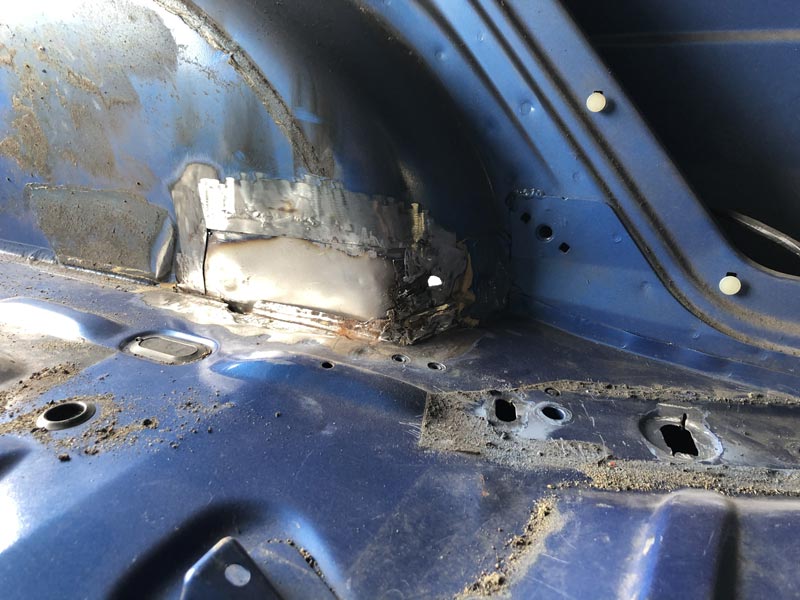
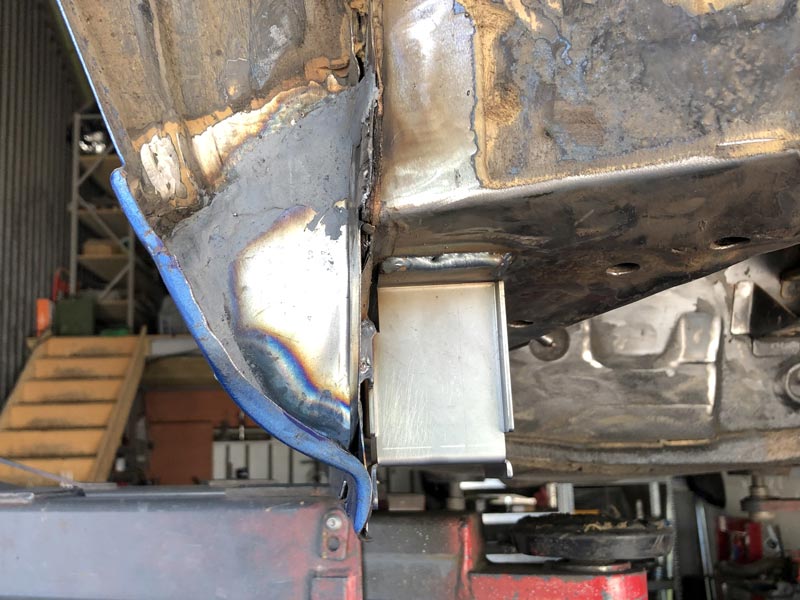
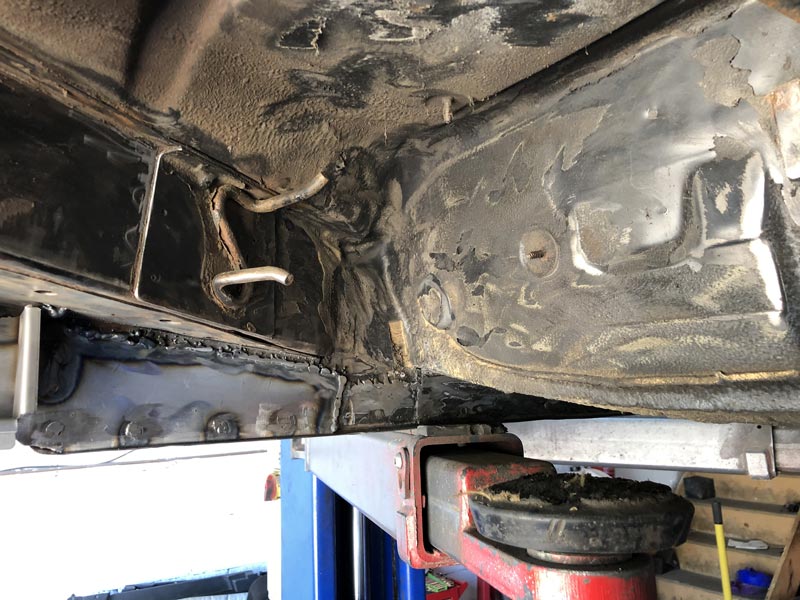
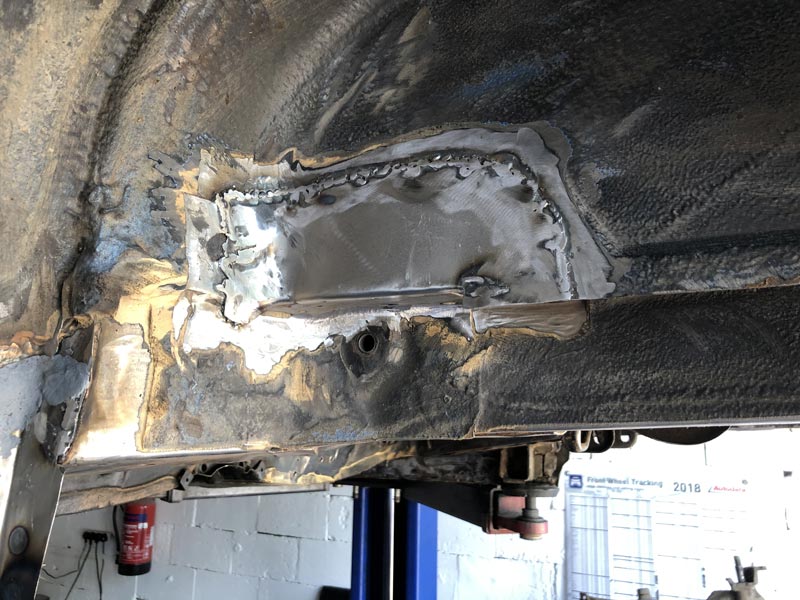
The project gallery follows the Renault’s transformation from a heavily corroded restoration project to a repaired and reassembled rolling shell.
Photographs document the original condition of the car, the extent of the corrosion, removal of damaged metal, fabrication and welding of replacement sections, and the subsequent protection and reassembly of the bodyshell.
Together, these images demonstrate the scale of the work involved and the attention to detail required to restore a classic vehicle properly.
Related Services
Kent Motorsport provides specialist fabrication and engineering services for classic, performance and competition vehicles, including:
- Motorsport Fabrication & Welding
- Classic Car Structural Repairs
- Bespoke Panel Fabrication
- Chassis and Bodyshell Repairs
- Race Car Preparation
- Historic Motorsport Engineering
- Suspension and Brake Servicing
Whether you’re restoring a classic performance car, repairing corrosion on a historic competition vehicle or tackling a project where replacement panels are no longer available, Kent Motorsport can provide the fabrication and engineering expertise required.
Have a classic or competition car in need of specialist fabrication? Contact Kent Motorsport to discuss your project and how we can help.